Alpha-Lipoic Acid for Nerves: R-ALA vs ALA and When to Take It
| What it is | A sulphur-containing antioxidant the body makes in small amounts — also called ALA or thioctic acid. |
| Why nerves | It works in both watery and fatty parts of cells and helps recycle other antioxidants. |
| Two forms | R-ALA is the natural, more active form; S-ALA is synthetic; cheap products are a 50/50 blend. |
| On the label | Look for R-ALA (or sodium R-lipoate) and take it on an empty stomach for better absorption. |
What alpha-lipoic acid actually is
Alpha-lipoic acid for nerve health is one of the most-searched antioxidant topics for a good reason: this compound behaves differently from almost every other antioxidant, and that difference is exactly why it turns up in serious nerve formulas. Alpha-lipoic acid — also written as ALA or thioctic acid — is a sulphur-containing molecule your body makes in small amounts and uses inside the mitochondria, the tiny power plants of every cell. The Linus Pauling Institute’s lipoic acid review describes that dual water- and fat-soluble behaviour in more depth.
You can get trace amounts from foods like red meat, organ meats, spinach and broccoli, but the quantities are tiny compared with a supplement. Because the body's own production tends to decline with age, alpha-lipoic acid is a common addition to nerve-support blends. Before you buy, it is worth understanding how it works, why the form matters, and what a good label looks like.
How alpha-lipoic acid supports nerve tissue
Antioxidants neutralise free radicals — the reactive molecules produced by normal metabolism that, in excess, contribute to oxidative stress. Nerve tissue is particularly sensitive to that stress, which is why antioxidant support is a recurring theme in nerve health. Packer and colleagues set out the antioxidant-recycling case in Free Radical Biology & Medicine in 1995, in “alpha-Lipoic acid as a biological antioxidant”.
What makes alpha-lipoic acid special is that it is often called the “universal antioxidant.” Most antioxidants work in either watery or fatty environments; ALA is soluble in both, so it can act throughout the cell — inside the watery cytoplasm and within fatty membranes alike. On top of that, it does something clever: it helps regenerate other antioxidants, including vitamin C, vitamin E and the body's master antioxidant glutathione, effectively recharging them so they can keep working. It also gently binds certain metals and serves as a cofactor in energy metabolism.
Taken together, these properties are why ALA is prized for helping protect nerve tissue from everyday oxidative stress. Alongside antioxidant-rich botanicals such as turmeric — covered in our guide to turmeric and curcumin for nerve support — it rounds out the antioxidant side of a nerve formula.
R-ALA vs S-ALA: why the form matters
This is the detail most shoppers miss. Alpha-lipoic acid exists as two mirror-image molecules, called R-ALA and S-ALA. Shay and colleagues cover the R- and S- distinction, and how the body handles each, in their 2009 review in Biochimica et Biophysica Acta.
- ✓ R-ALA is the natural form your body actually makes and recognises. It is the more biologically active of the two.
- ✓ S-ALA is a synthetic by-product created during manufacturing. It is less active.
Ordinary, inexpensive alpha-lipoic acid is usually a racemic blend — a 50/50 mix of R and S. That means half of what you take is the less-active form. Products that specify R-ALA (or a stabilised version such as sodium R-lipoate) deliver more of the form your body prefers. R-ALA can be less stable on the shelf, so stabilised versions exist to solve that. When you compare two products, a lower milligram figure of pure R-ALA can be as meaningful as a higher figure of the racemic mix.
Dosage context and timing
Research on alpha-lipoic acid has used a range of daily amounts, and the right amount for any individual is a conversation for a healthcare professional rather than a number to copy from a blog. What is broadly agreed is how to take it: alpha-lipoic acid is generally taken on an empty stomach — roughly thirty minutes before a meal — because food, and carbohydrates in particular, can reduce its absorption. A 2023 meta-analysis in Nutrients pooled the oral alpha-lipoic acid doses used in trials, which is where most of the commonly quoted figures come from; those were clinical settings, not everyday wellness use.
A few sensible cautions apply. ALA can influence how the body handles blood sugar, so anyone managing blood sugar or taking related medication should speak with their doctor first. As always, this is nutritional support, not a treatment for any condition.
Alpha lipoic acid is one of the six
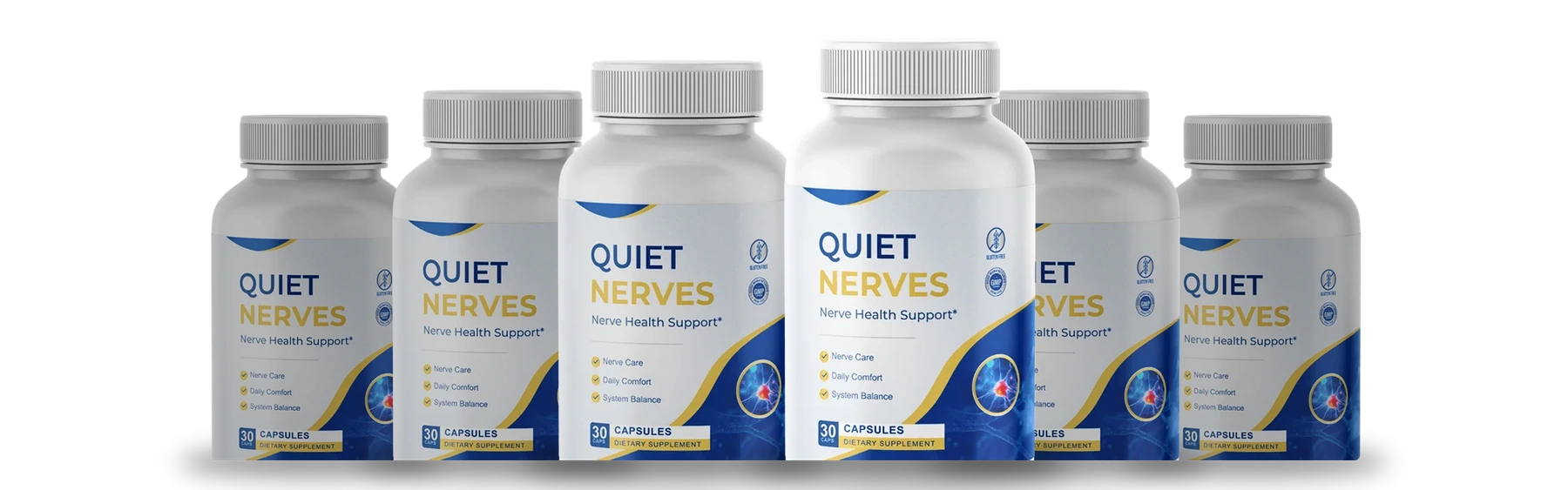
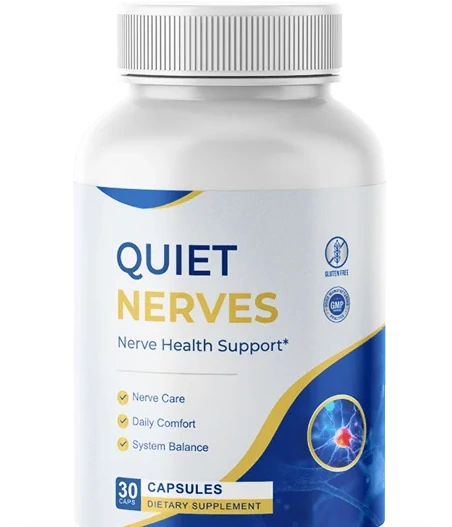
Quiet Nerves is a once-daily capsule with six named ingredients: magnesium glycinate, alpha lipoic acid, butcher’s broom, L-carnitine, turmeric and coenzyme Q10. Every pack carries a 60-day money-back guarantee.
See Quiet Nerves PackagesWhat to look for on an alpha-lipoic acid label
- Does it name R-ALA?
A quality label tells you whether you are getting the natural R form, a stabilised R-lipoate, or an unspecified racemic blend.
- Is the amount stated clearly?
Look for a specific milligram figure per serving rather than a vague “antioxidant blend.”
- Are usage directions given?
Good products note that ALA is best taken away from food, which tells you the maker understands absorption.
- What is it paired with?
ALA works well beside other nerve nutrients. A thoughtful formula explains the combination rather than relying on ALA alone.
A quick myth to clear up
Alpha-lipoic acid is sometimes confused with alpha-linolenic acid, an omega-3 fatty acid also abbreviated ALA. They are completely different molecules with different roles — one is a sulphur antioxidant, the other a plant-based omega-3. If a label or article means the antioxidant, it will usually spell out “alpha-lipoic acid” or “thioctic acid.”
How alpha-lipoic acid compares with other antioxidants
It helps to see where ALA sits among the antioxidants you already know. Vitamin C works mainly in watery environments; vitamin E works mainly in fatty ones; each has a defined territory. Alpha-lipoic acid is unusual because it crosses both territories and helps regenerate the others, which is why it is sometimes described as an antioxidant that keeps the rest of the team on the field. It also passes readily into tissues throughout the body, a property that draws attention in nerve research specifically.
None of this makes ALA a replacement for a varied, colourful diet — the fruits, vegetables and whole foods that supply a broad spectrum of antioxidants remain the foundation. Think of a supplement as a concentrated top-up of a compound that is hard to obtain from food in meaningful amounts, not a substitute for eating well.
A note on quality and third-party testing
As with any supplement, quality varies. Look for products made in a GMP-certified facility, ideally with third-party testing, and be wary of vague “proprietary blends” that hide how much ALA you are actually getting. A transparent label that states the form and the amount is a good sign that the rest of the product was made with the same care.
Where alpha-lipoic acid fits in a nerve routine
Think of alpha-lipoic acid as the antioxidant anchor of a nerve-support routine, working alongside the structural and signalling nutrients. Magnesium and the B-vitamins keep the signalling side running — see our guides on the best form of magnesium for nerve health and B vitamins for nerve health — while ALA and turmeric handle the antioxidant side. The fat-soluble half of that antioxidant job belongs to vitamin E for nerve health, and for everyday nerve comfort rather than antioxidant defence, see PEA (palmitoylethanolamide) for nerve health. For the complete daily picture, including habits and sleep, start from the Quiet Nerves homepage or read how to support nerve health naturally.
Read the full Quiet Nerves label
A once-daily capsule with six named ingredients and 60 days to decide whether it suits you.
Explore Quiet Nerves →Frequently Asked Questions
What does alpha-lipoic acid do for nerves?
Alpha-lipoic acid is a versatile antioxidant that works in both watery and fatty parts of cells and helps regenerate other antioxidants such as vitamins C and E and glutathione. Because nerve tissue is sensitive to oxidative stress, ALA is valued for helping protect nerves from everyday cellular wear and tear. It is nutritional support, not a treatment for any condition.
Is R-ALA better than regular alpha-lipoic acid?
R-ALA is the natural, more biologically active mirror-image form that your body makes and recognises, whereas ordinary alpha-lipoic acid is usually a 50/50 racemic blend of R and S forms. A product that specifies R-ALA or stabilised sodium R-lipoate delivers more of the preferred form, so a smaller amount of pure R-ALA can rival a larger amount of the racemic mix.
When should I take alpha-lipoic acid?
Alpha-lipoic acid is generally taken on an empty stomach, about thirty minutes before a meal, because food and carbohydrates can reduce its absorption. If you manage blood sugar or take related medication, check with your doctor first, as ALA can influence how the body handles blood sugar.
Can you get alpha-lipoic acid from food?
You can get trace amounts from foods like red meat, organ meats, spinach and broccoli, but the quantities are very small compared with a supplement. The body also makes small amounts on its own, and that production tends to decline with age, which is why ALA is a common addition to nerve formulas.
Is alpha-lipoic acid the same as the ALA in omega-3?
No. Alpha-lipoic acid is a sulphur-containing antioxidant, while alpha-linolenic acid, also abbreviated ALA, is a plant-based omega-3 fatty acid. They are entirely different molecules with different roles, so check that a label means the antioxidant, sometimes also called thioctic acid.
References
- Lipoic Acid (Linus Pauling Institute, Micronutrient Information Center)
- Alpha-lipoic acid as a dietary supplement: molecular mechanisms and therapeutic potential (Biochim Biophys Acta, 2009)
- alpha-Lipoic acid as a biological antioxidant (Free Radic Biol Med, 1995)
- Effects of Oral Alpha-Lipoic Acid Treatment on Diabetic Polyneuropathy: A Meta-Analysis and Systematic Review (Nutrients, 2023)
- Antioxidants: In Depth (National Center for Complementary and Integrative Health)
About the Quietanerves Editorial Desk
The Quietanerves Editorial Desk writes this independent guide and checks every ingredient statement against the sources linked above. No doctor reviews it, and an article about an ingredient is not a statement about the Quiet Nerves capsule unless it says so. Speak to a healthcare professional about your own situation.
† These statements have not been evaluated by the FDA. This product is not intended to diagnose, treat, cure or prevent any disease. This article is for general information only and is not medical advice. Speak with your physician before starting any supplement, especially if you are pregnant, nursing, under 18 or taking medication.