Vitamin E for Nerves: Tocopherols vs Tocotrienols Compared
| What it is | The body's main fat-soluble antioxidant — a family of eight related compounds, not one molecule. |
| Why nerves | It sits inside fatty nerve-cell membranes and helps protect them from oxidative wear. |
| The family | Four tocopherols and four tocotrienols; alpha-tocopherol is the most familiar form. |
| On the label | Look for natural d-alpha (not dl-), and ideally mixed or full-spectrum vitamin E. |
What vitamin E actually is
Vitamin E for nerve health is one of the oldest and best-understood antioxidant stories in nutrition, yet most shoppers still buy the wrong form because the label vocabulary is genuinely confusing. The first thing to know is that vitamin E is not a single molecule at all. It is the collective name for a family of eight fat-soluble compounds: four tocopherols and four tocotrienols, each appearing in alpha, beta, gamma and delta versions. Intake figures, the upper limit and food sources are all in the NIH vitamin E fact sheet for health professionals.
Of these eight, alpha-tocopherol is the form your body maintains at the highest levels and the one used to set official requirements, which is why it dominates supplement labels. But the other members of the family — especially the tocotrienols and gamma-tocopherol — have their own distinct antioxidant behaviour that a growing body of research finds interesting. Before you buy, it is worth understanding how vitamin E protects nerve tissue, why the form and source matter, and how to read a label without being misled.
How vitamin E supports nerve tissue: the fat-guarding antioxidant
Antioxidants neutralise free radicals — the reactive molecules produced by normal metabolism that, in excess, contribute to oxidative stress. Different antioxidants patrol different neighbourhoods of the cell, and vitamin E's territory is a crucial one: the fatty membranes. Traber and Atkinson argue that lipid protection is the whole of its job in “Vitamin E, antioxidant and nothing more”.
Every nerve cell, and the long axons that carry its signals, is wrapped in membranes made largely of fats. Those fats are exactly the kind of molecule that free radicals like to attack, in a chain reaction called lipid peroxidation — think of it as rust spreading through the fatty parts of a cell. Because vitamin E is fat-soluble, it embeds itself right inside those membranes, where it can intercept the reaction and stop it from spreading. This is why vitamin E is often described as the guardian of the cell membrane, and why it matters specifically for nerve tissue, which is unusually rich in fats.
Vitamin E does not work alone. It operates as part of an antioxidant team: once vitamin E has neutralised a free radical it becomes temporarily "used up," and other antioxidants — vitamin C and the body's glutathione system among them — help recharge it so it can go back to work. This teamwork is one reason vitamin E, vitamin C and compounds like alpha-lipoic acid so often appear together in a well-designed formula.
Tocopherols vs tocotrienols: why the family matters
This is the detail that separates a thoughtful vitamin E product from a bargain-bin one. Sen, Khanna and Roy make the case for the tocotrienol half of the family in Life Sciences (2006). The two branches of the family have subtly different structures and behaviours:
- ✓ Tocopherols — the classic, most abundant branch. Alpha-tocopherol is the body's main circulating form; gamma-tocopherol is the most common form in the diet and has its own antioxidant profile.
- ✓ Tocotrienols — a related branch with a slightly different tail that lets them move more freely within membranes. They are studied as a distinct group and are less common in ordinary supplements.
A cheap vitamin E supplement usually contains alpha-tocopherol alone. A more complete product may provide mixed tocopherols or a full-spectrum blend that includes tocotrienols, aiming to reflect the variety found in whole foods. There is an important nuance here: taking very large amounts of alpha-tocopherol on its own can actually lower the body's levels of gamma-tocopherol, which is one argument in favour of a balanced, food-like blend rather than a mega-dose of a single form.
Natural vs synthetic: the d- and dl- clue
The second label detail is source, and it is easy to spot once you know the code. Natural vitamin E is written as d-alpha-tocopherol. Synthetic vitamin E is written as dl-alpha-tocopherol — note the extra "l." The synthetic version is actually a mixture of eight molecular shapes, only some of which the body uses efficiently. As a result, the natural d-form is recognised and retained more effectively, and a smaller amount of natural vitamin E can match a larger amount of the synthetic form. Checking for that single "d-" versus "dl-" prefix is one of the fastest quality checks in the whole supplement aisle.
Dosage context and the upper limit
The recommended intake of vitamin E for most adults is around 15 mg of alpha-tocopherol per day (you may also see it expressed in international units on older labels). There is a defined tolerable upper limit for supplements set well above that, because vitamin E is fat-soluble and stored in the body rather than flushed out like the water-soluble vitamins. More is not automatically better: very high doses have their own considerations, and anyone taking blood-thinning medication in particular should speak with their doctor before taking high-dose vitamin E, as it can influence how the blood clots. As always, the right amount for any individual is a conversation for a healthcare professional. The Linus Pauling Institute’s vitamin E article sets out the natural-versus-synthetic potency difference behind those numbers.
Not in Quiet Nerves: vitamin E
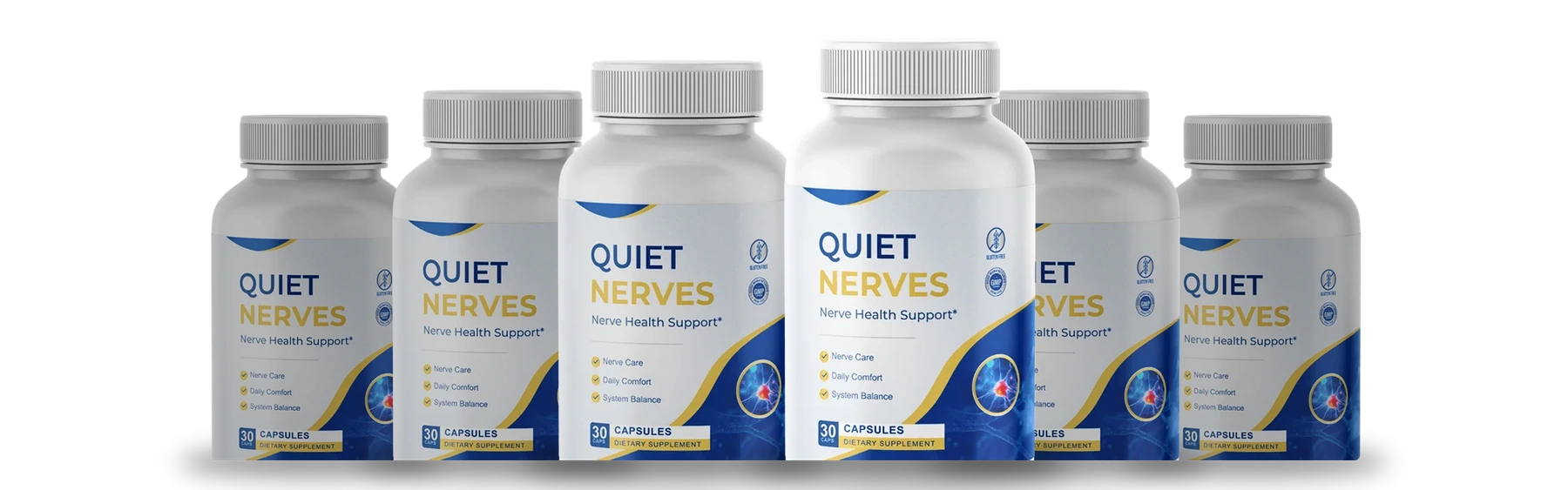
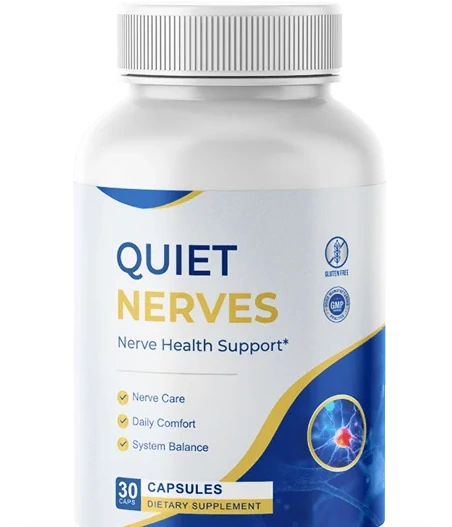
Quiet Nerves does not contain vitamin E. Its six named ingredients are magnesium glycinate, alpha lipoic acid, butcher’s broom, L-carnitine, turmeric and coenzyme Q10, with a 60-day money-back guarantee on every pack.
See Quiet Nerves PackagesWhat to look for on a vitamin E label
- Is it natural (d-) or synthetic (dl-)?
Look for "d-alpha-tocopherol." The extra "l" in "dl-" signals the less efficient synthetic form.
- Is it a single form or mixed?
"Mixed tocopherols" or a full-spectrum blend with tocotrienols reflects the variety found in whole foods.
- Is the amount sensible?
A figure near everyday requirements is often more appropriate than a mega-dose, unless a professional advises otherwise.
- Is it third-party tested?
Because vitamin E is an oil, freshness and purity matter; independent testing helps confirm both.
A quick myth to clear up
For years vitamin E was sold on the idea that "more is better," and huge single-form doses were common. The current understanding is more nuanced: because vitamin E is stored in the body and works as part of a team, balance tends to beat brute force. A moderate amount of natural, mixed vitamin E alongside other antioxidants and a diet rich in nuts, seeds and greens is generally a more sensible strategy than a solitary mega-dose. Statements about vitamin E describe general use and are not a treatment for any condition.
How vitamin E compares with other nerve antioxidants
It helps to see where vitamin E sits among the antioxidants you may already know. Vitamin C works mainly in the watery parts of the cell; vitamin E works mainly in the fatty membranes; alpha-lipoic acid is unusual because it works in both and helps recycle the others; and CoQ10 protects the mitochondria. Vitamin E's specific contribution is guarding the fatty membranes of nerve cells, a job the water-soluble antioxidants cannot do. That is why these compounds are complementary rather than competing, and why a good formula tends to include several of them.
None of this replaces the foundations — a varied, colourful diet supplies a broad spectrum of antioxidants and remains the base of any nerve routine. Think of a supplement as a concentrated top-up, not a substitute for eating well.
A note on quality and third-party testing
As with any supplement, quality varies, and because vitamin E is an oil, freshness matters as much as potency. Look for products made in a GMP-certified facility, ideally with third-party testing, and be wary of vague "antioxidant blends" that hide the form and amount of vitamin E. A transparent label that states d- versus dl-, the specific form and the amount is a strong sign the rest of the product was made with the same care.
Where vitamin E fits in a nerve routine
Think of vitamin E as the membrane guard of a nerve-support routine's antioxidant team, working alongside the signalling and structural nutrients. The B-vitamins and magnesium keep signalling supplied — see the best form of magnesium for nerve health — while vitamin E, vitamin C and alpha-lipoic acid handle oxidative protection. For the complete daily picture, including habits and sleep, start from the Quiet Nerves homepage or read how to support nerve health naturally.
What Quiet Nerves does contain
A once-daily capsule with six named ingredients and 60 days to decide whether it suits you.
Explore Quiet Nerves →Frequently Asked Questions
What does vitamin E do for nerves?
Vitamin E is the body's main fat-soluble antioxidant. It sits inside the fatty membranes of nerve cells and helps protect the delicate fats there from oxidation, the everyday wear caused by free radicals. Because nerve tissue is rich in fats and sensitive to oxidative stress, vitamin E is a recurring theme in nerve support. It is nutritional support and describes general use, not a treatment for any condition.
What is the difference between tocopherols and tocotrienols?
Vitamin E is not one molecule but a family of eight: four tocopherols and four tocotrienols, each in alpha, beta, gamma and delta forms. Alpha-tocopherol is the most abundant form in the body and the one used to set requirements, while tocotrienols are a related group studied for their own distinct antioxidant behaviour. A full-spectrum product may include more of the family than alpha-tocopherol alone.
Is natural vitamin E better than synthetic?
Natural vitamin E is labelled d-alpha-tocopherol, while the synthetic version is dl-alpha-tocopherol. The natural d-form is recognised and retained by the body more efficiently, so a smaller amount of natural vitamin E can match a larger amount of the synthetic form. Checking for the d- prefix is a quick way to judge quality.
How much vitamin E do adults need?
The recommended intake for most adults is around 15 mg of alpha-tocopherol per day, with a tolerable upper limit set well above that for supplements. More is not automatically better, and high-dose vitamin E should be discussed with a healthcare professional, especially for anyone taking blood-thinning medication.
Can I get enough vitamin E from food?
Many people can get a good amount from foods such as nuts, seeds, vegetable oils and leafy greens, which are the richest natural sources. A supplement is a concentrated top-up for those who want to ensure a steady intake, but it works best alongside a varied diet rather than in place of one.
References
- Vitamin E: Fact Sheet for Health Professionals (NIH Office of Dietary Supplements)
- Vitamin E, antioxidant and nothing more (Free Radic Biol Med, 2007)
- Tocotrienols: Vitamin E beyond tocopherols (Life Sci, 2006)
- Vitamin E (Linus Pauling Institute, Micronutrient Information Center)
About the Quietanerves Editorial Desk
The Quietanerves Editorial Desk writes this independent guide and checks every ingredient statement against the sources linked above. No doctor reviews it, and an article about an ingredient is not a statement about the Quiet Nerves capsule unless it says so. Speak to a healthcare professional about your own situation.
† These statements have not been evaluated by the FDA. This product is not intended to diagnose, treat, cure or prevent any disease. This article is for general information only and is not medical advice. Speak with your physician before starting any supplement, especially if you are pregnant, nursing, under 18 or taking medication.