CoQ10 for Nerve Health: Ubiquinol vs Ubiquinone Explained
| What it is | Coenzyme Q10 (ubiquinone) — a fat-soluble, vitamin-like compound the body makes and uses inside mitochondria. |
| Why nerves | It helps produce cellular energy and acts as a fat-soluble antioxidant that protects nerve-cell membranes. |
| Two forms | Ubiquinone is stable and affordable; ubiquinol is the ready-to-use antioxidant form, often better absorbed. |
| On the label | Check the form, favour oil-based/enhanced delivery, take with a fatty meal, and look for third-party testing. |
What CoQ10 actually is
CoQ10 for nerve health brings together two ideas that nerve tissue cares about a great deal: energy and antioxidant protection. Coenzyme Q10 — CoQ10 for short, and also known as ubiquinone — is a fat-soluble, vitamin-like compound found in virtually every cell in the body. It sits inside the mitochondria, where it plays an essential role in the electron transport chain, the final assembly line that turns food into usable cellular energy (ATP). The Linus Pauling Institute’s coenzyme Q10 article explains where it sits in the mitochondrial electron transport chain.
Your body makes CoQ10 on its own, but that production tends to decline with age, and certain factors can lower levels further. Because nerve cells are energy-intensive and sensitive to oxidative stress, CoQ10 is a recurring name in nerve-support and mitochondrial-health discussions. As always, the details matter: the form you choose and how you take it can make a real difference to how much your body actually absorbs.
How CoQ10 supports nerve tissue
CoQ10 does two jobs that are especially relevant to nerves. The first is energy production: as a key link in the mitochondrial chain, it helps cells generate the steady supply of ATP that energy-hungry nerve cells depend on. When mitochondria work well, the cells they power — including neurons — have the fuel to do their jobs. Hargreaves and colleagues review both its biosynthesis and the deficiency states in International Journal of Molecular Sciences (2020).
The second job is antioxidant protection. In its reduced form, CoQ10 is a potent fat-soluble antioxidant that helps defend cell membranes from the free radicals produced during normal metabolism. Because so much of a nerve cell is membrane — including the fatty myelin sheath that insulates it — a membrane-friendly antioxidant is a natural fit. This is why CoQ10 is often mentioned in the same breath as other antioxidants such as alpha-lipoic acid for nerve health, which recharges antioxidants throughout the cell.
Ubiquinol vs ubiquinone: why the form matters
This is the detail that separates a well-chosen CoQ10 from a bargain-bin one. CoQ10 exists in two states, and your body constantly converts between them. A 2020 bioavailability comparison in Nutrients measured how differently formulations behave in the blood, which is the practical reason the debate exists.
- ✓ Ubiquinone is the oxidised form — the classic, more affordable and very stable version found in most products.
- ✓ Ubiquinol is the reduced, “ready to use” antioxidant form; it can be better absorbed by some people, especially older adults, though it is less stable and usually costs more.
Neither form is useless — the body converts ubiquinone to ubiquinol as needed — but if absorption is a priority, ubiquinol is worth considering. Just as important is what the CoQ10 is carried in: because it is fat-soluble, products that pair it with oils or use enhanced-delivery formats generally absorb better than dry powder in a capsule. A lower milligram figure in a well-absorbed format can rival a higher figure in a poorly absorbed one.
Dosage, absorption and timing
Research on CoQ10 has used a wide range of daily amounts, and the appropriate figure for any individual is a conversation for a healthcare professional. The most reliable rule is about absorption: CoQ10 is fat-soluble, so it is best taken with a meal that contains some fat. Taking it with your largest meal of the day is a simple way to improve uptake.
One widely noted point of context: certain cholesterol-lowering medications (statins) can reduce the body's own CoQ10 levels, which is why some people discuss CoQ10 with their doctor. That is a medical conversation, not a self-treatment plan — anyone taking prescription medication, who is pregnant or nursing, or under 18 should check with a healthcare professional before starting CoQ10.
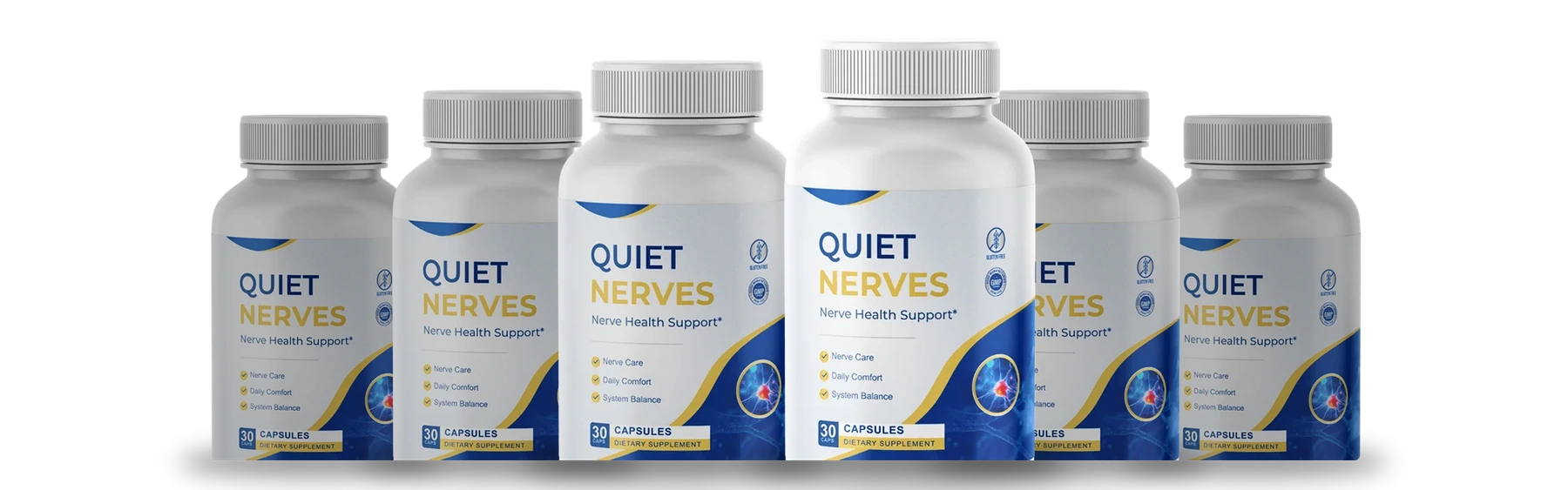
Coenzyme Q10 is on the Quiet Nerves list
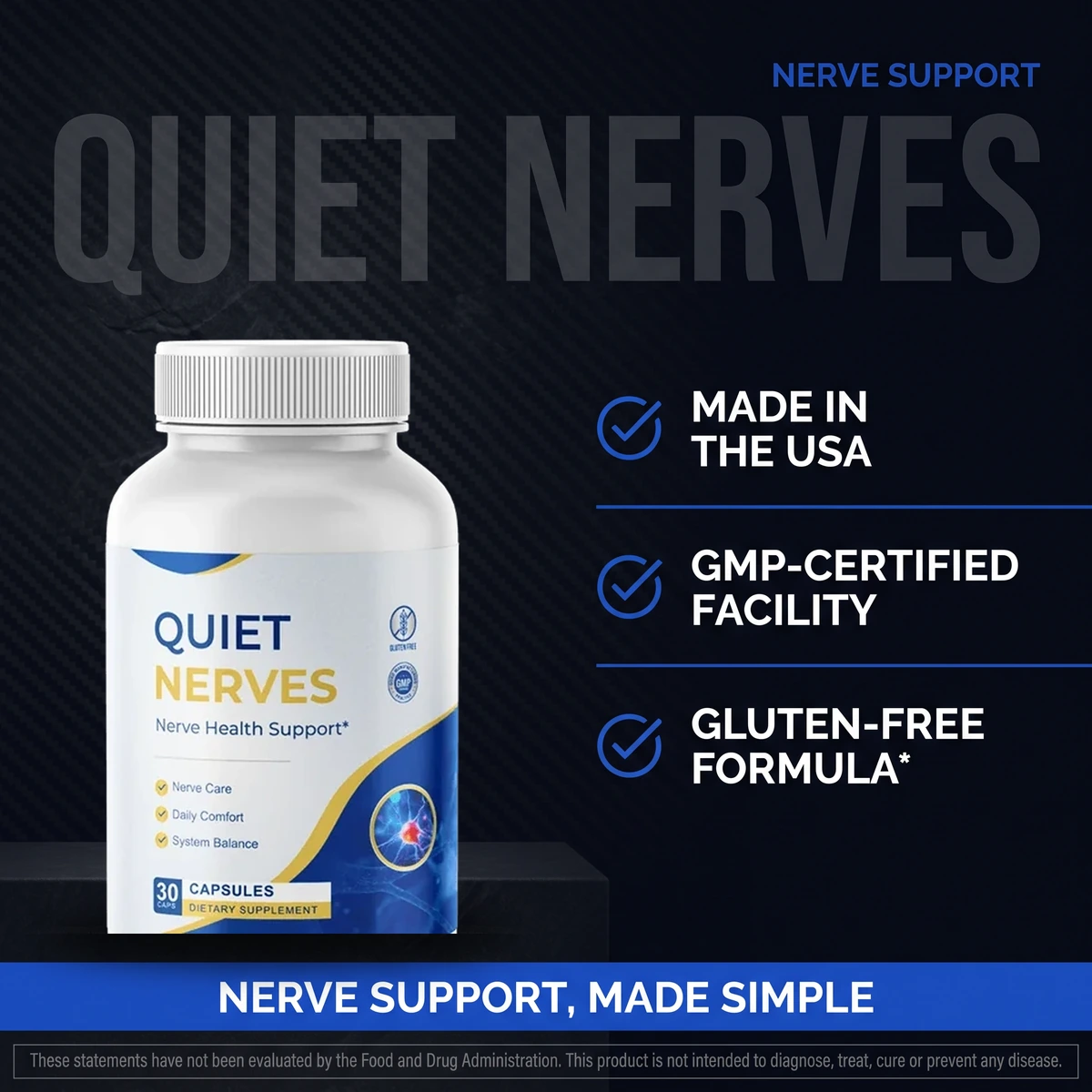
Quiet Nerves is a once-daily capsule with six named ingredients: magnesium glycinate, alpha lipoic acid, butcher’s broom, L-carnitine, turmeric and coenzyme Q10. Every pack carries a 60-day money-back guarantee.
See Quiet Nerves PackagesWhat to look for on a CoQ10 label
- Ubiquinol or ubiquinone?
A good label tells you which form you are getting so you can weigh absorption against cost and stability. The National Center for Complementary and Integrative Health sets realistic expectations for this whole category in “Antioxidants: In Depth”.
- Is it an oil-based or enhanced format?
Because CoQ10 is fat-soluble, delivery matters as much as the milligram figure. Softgels with oil often absorb better than dry powder.
- Is the amount clearly stated?
Look for a specific milligram figure per serving rather than a vague “mitochondrial blend.”
- GMP and third-party testing?
Quality varies. A product made in a GMP-certified facility with independent testing is a reassuring sign.
Why CoQ10 levels change with age
One reason CoQ10 attracts so much interest in the context of healthy ageing is that the body's own production does not stay constant. Levels tend to peak in early adulthood and gradually decline in the decades that follow, and tissues with high energy demands — including the nervous system — are among those that rely most heavily on a steady supply. You can also get small amounts of CoQ10 from food: fatty fish such as sardines and mackerel, organ meats, and to a lesser extent whole grains, nuts and some vegetables. As with many of these nutrients, though, the amounts in food are modest compared with a concentrated supplement, which is why people who want a reliable intake often turn to a capsule or softgel.
A realistic view of what to expect
CoQ10 is a maintenance nutrient, not a stimulant, so it will not produce a sudden jolt of energy the way caffeine might. Its value is in supporting the machinery that makes energy in the first place, quietly and over time. Give any new supplement several weeks of consistent, well-absorbed use — taken with a fatty meal — before drawing conclusions, and treat it as one contributor to a wider routine rather than a stand-alone fix.
Where CoQ10 fits in a nerve routine
Think of CoQ10 as the mitochondrial partner to the rest of your nerve nutrients — energy and membrane protection working together. It complements the signalling minerals and vitamins nicely; see our guides to the best form of magnesium for nerve health and to acetyl-L-carnitine for nerve health, another energy-focused nutrient that is often discussed alongside CoQ10. On the protective side it overlaps with the fat-soluble antioxidant covered in vitamin E for nerve health, and on the structural side with the membrane precursor discussed in citicoline for nerve health. For the whole daily picture, including diet and habits, start from the Quiet Nerves homepage.
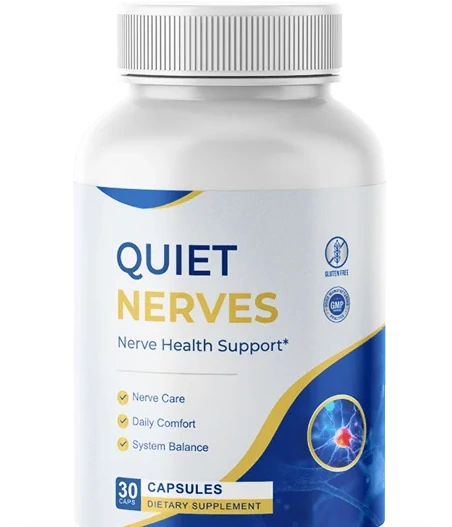
See the six Quiet Nerves ingredients
A once-daily capsule with six named ingredients and 60 days to decide whether it suits you.
Explore Quiet Nerves →Frequently Asked Questions
What does CoQ10 do for nerves?
CoQ10 is a key link in the mitochondrial chain that produces cellular energy, and in its reduced form it is a fat-soluble antioxidant that helps protect cell membranes from free radicals. Because nerve cells are energy-intensive and rich in membranes, CoQ10 is a common addition to nerve-support and mitochondrial-health routines. It is nutritional support, not a treatment for any condition.
Is ubiquinol better than ubiquinone?
Ubiquinol is the reduced, ready-to-use antioxidant form and can be better absorbed by some people, especially older adults, while ubiquinone is the more stable and affordable oxidised form that the body converts to ubiquinol as needed. Neither is useless; if absorption is a priority, ubiquinol is worth considering, but the delivery format matters just as much.
When should I take CoQ10?
Because CoQ10 is fat-soluble, it is best taken with a meal that contains some fat, ideally your largest meal of the day, to improve absorption. The appropriate amount varies from person to person, so check with your doctor, particularly if you take prescription medication.
Does the body make its own CoQ10?
Yes. The body produces CoQ10 in nearly every cell, but that production tends to decline with age and can be affected by certain factors. You also get small amounts from foods such as fatty fish, organ meats and whole grains, though the quantities are modest compared with a supplement.
Can I take CoQ10 with a statin?
Certain cholesterol-lowering statin medications can lower the body's own CoQ10 levels, which is why some people discuss CoQ10 with their doctor. This is a medical conversation, not a self-treatment plan, so anyone on prescription medication should speak with a healthcare professional first.
References
- Coenzyme Q10 (Linus Pauling Institute, Micronutrient Information Center)
- Disorders of Human Coenzyme Q10 Metabolism: An Overview (Int J Mol Sci, 2020)
- Comparative Bioavailability of Different Coenzyme Q10 Formulations in Healthy Elderly Individuals (Nutrients, 2020)
- Antioxidants: In Depth (National Center for Complementary and Integrative Health)
About the Quietanerves Editorial Desk
The Quietanerves Editorial Desk writes this independent guide and checks every ingredient statement against the sources linked above. No doctor reviews it, and an article about an ingredient is not a statement about the Quiet Nerves capsule unless it says so. Speak to a healthcare professional about your own situation.
† These statements have not been evaluated by the FDA. This product is not intended to diagnose, treat, cure or prevent any disease. This article is for general information only and is not medical advice. Speak with your physician before starting any supplement, especially if you are pregnant, nursing, under 18 or taking medication.