Acetyl-L-Carnitine Benefits for Nerves: ALCAR Dosage & Timing
| What it is | The acetyl form of L-carnitine — a compound the body uses to move fats into cells for energy (ALCAR). |
| Why nerves | Energy-hungry nerve cells rely on steady mitochondrial fuel; the acetyl group also supports messenger chemistry. |
| Which form | Choose acetyl-L-carnitine (ALCAR), not plain L-carnitine, for nerve-focused support. |
| On the label | Look for a stated milligram amount, GMP manufacturing and third-party testing; take it away from meals. |
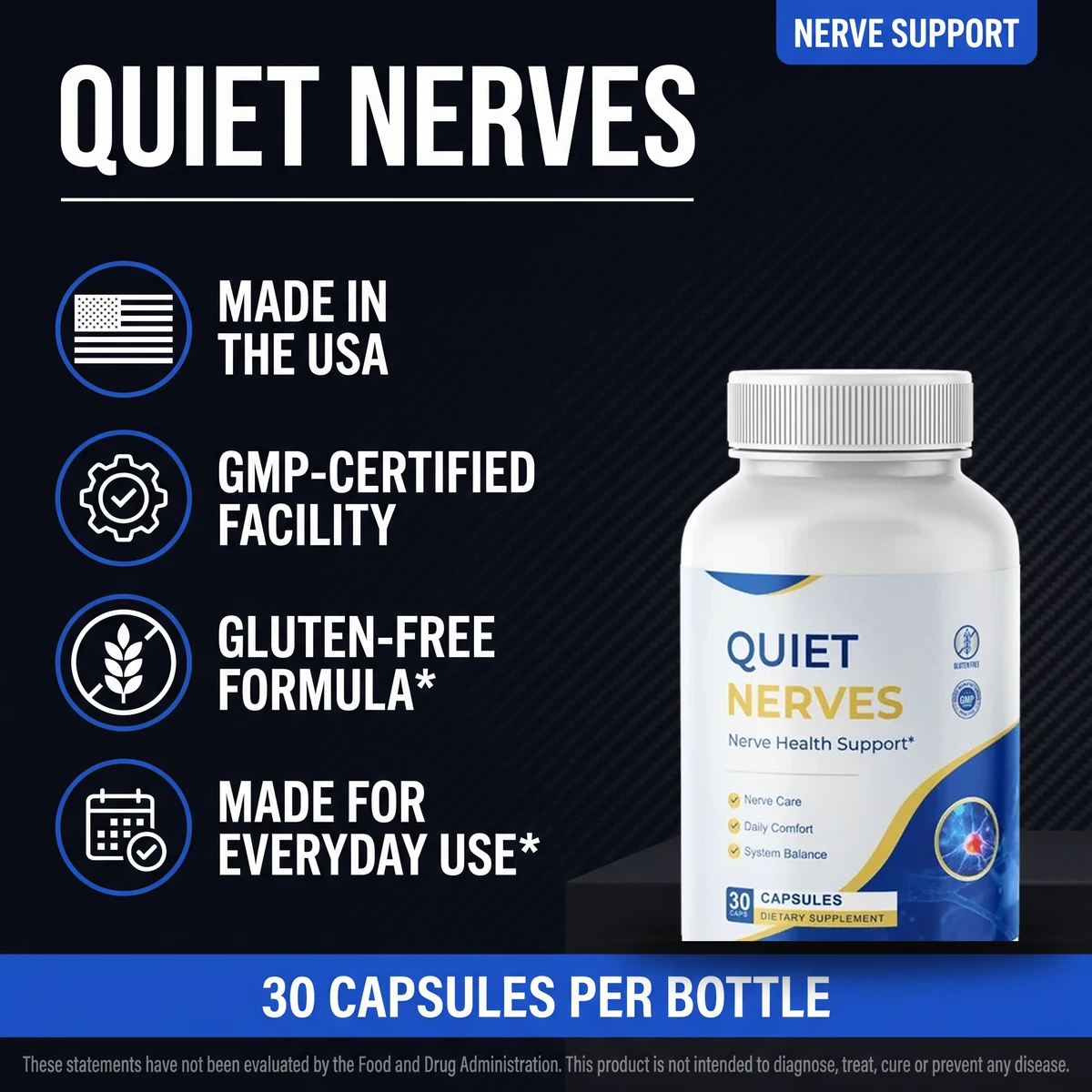
What acetyl-L-carnitine actually is
Acetyl-L-carnitine for nerve health is one of those topics that sounds highly technical but comes down to a simple idea: energy. Acetyl-L-carnitine — usually shortened to ALCAR — is the acetylated form of the amino-acid derivative L-carnitine, a compound your body makes in the liver and kidneys and also gets in small amounts from red meat and dairy. Its everyday job is to ferry fatty acids into the mitochondria, the microscopic power plants inside every cell, where those fats are burned for fuel. The NIH Office of Dietary Supplements sets out that fuel-transport role, and the body’s own synthesis of carnitine, in its carnitine fact sheet for health professionals.
Nerve cells are unusually demanding customers when it comes to energy. A single motor neuron can stretch a remarkable distance and has to keep its far-flung tips supplied around the clock. That constant demand is exactly why a nutrient tied to cellular energy production keeps coming up in conversations about nerve health, and why ALCAR appears so often in the same searches as antioxidants and B-vitamins. Before you add it to a routine, it helps to understand how it works, how it differs from plain L-carnitine, and what a good label should tell you.
How acetyl-L-carnitine supports nerve tissue
ALCAR is interesting because it appears to work on three fronts at once. First is the energy angle already mentioned: by helping shuttle fats into the mitochondria, it supports the steady ATP production that energy-hungry nerve cells rely on. Second, that little acetyl group attached to the molecule is a building block the body can use to make acetylcholine, one of the key chemical messengers nerves use to communicate. Third, acetyl-L-carnitine is small and fat-friendly enough to move readily into nervous tissue, which is part of why it is studied specifically in the context of nerves rather than muscles alone. A 2020 critical update in Nutrients reviewed acetyl-L-carnitine in dementia and other cognitive disorders, and it is a fair place to see how cautious the human evidence still is.
Researchers are also interested in ALCAR's role in supporting the health and maintenance of nerve-cell membranes and in the body's own antioxidant defences. None of this makes it a magic bullet — it is nutritional support, not a treatment for any condition — but it does explain why ALCAR is often grouped with the antioxidant side of a nerve routine, alongside compounds like alpha-lipoic acid for nerve health. The two are frequently discussed together because they approach nerve support from complementary directions: energy and protection.
ALCAR vs plain L-carnitine: why the form matters
This is the detail most shoppers overlook. You will see several carnitine forms on shelves, and they are not interchangeable for this purpose.

- ✓ Acetyl-L-carnitine (ALCAR) carries the acetyl group and crosses into nervous tissue more readily — the form of choice when the goal is nerve and cognitive support.
- ✓ L-carnitine (or L-carnitine tartrate) is the plain form, more associated with exercise and general energy metabolism.
- ✓ Propionyl-L-carnitine is another specialised form studied more for circulation.
If a label simply says “carnitine” or “L-carnitine” without the acetyl prefix, it is probably not the form you want for nerve-focused support. A quality product will spell out acetyl-L-carnitine (sometimes written as acetylcarnitine or ALCAR) and give a clear milligram amount per serving rather than hiding it inside a vague blend.
Dosage context and timing
Studies on acetyl-L-carnitine have used a range of daily amounts, and the right figure for any individual is a conversation for a healthcare professional, not a number to copy from an article. What is broadly agreed is that ALCAR is usually taken away from meals — on a relatively empty stomach — and often split into more than one dose across the day. Some people find it mildly energising, so taking the last dose earlier rather than late in the evening is a common, sensible habit.
A few cautions apply. Anyone who is pregnant or nursing, under 18, managing a thyroid condition, or taking prescription medication should speak with their doctor before starting ALCAR or any new supplement. As always, this is general nutritional information, not medical advice.
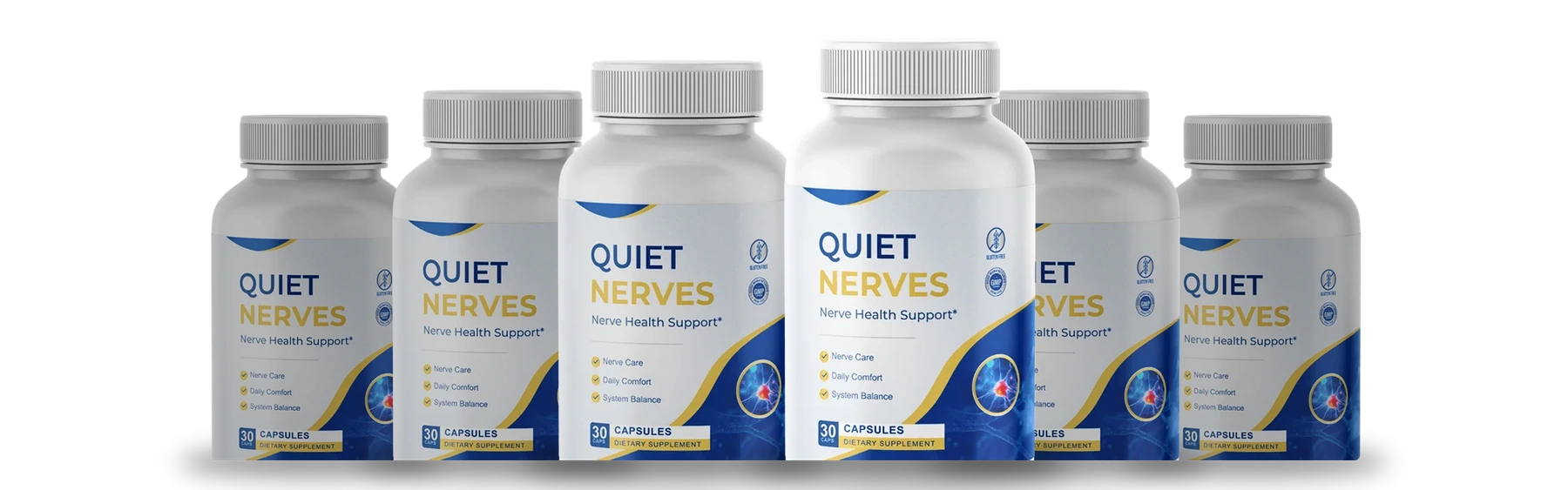
Quiet Nerves lists L-carnitine
Quiet Nerves is a once-daily capsule with six named ingredients: magnesium glycinate, alpha lipoic acid, butcher’s broom, L-carnitine, turmeric and coenzyme Q10. Every pack carries a 60-day money-back guarantee.
See Quiet Nerves PackagesWhat to look for on an acetyl-L-carnitine label
- Does it say “acetyl-L-carnitine”?
Confirm the acetyl form, not plain L-carnitine, and watch for the ALCAR abbreviation. The National Center for Complementary and Integrative Health makes the same point about label literacy in its guidance on dietary and herbal supplements.
- Is the milligram amount stated?
A specific figure per serving beats a mysterious “energy blend” that hides how much you are actually getting.
- Is it third-party tested?
Look for products made in a GMP-certified facility, ideally with independent testing for purity.
- What is it paired with?
ALCAR is often combined with antioxidants and B-vitamins. A thoughtful formula explains the combination rather than relying on one ingredient alone.
Food sources and why people supplement
Your body synthesises carnitine in the liver and kidneys, and you get modest amounts from animal foods — red meat is the richest source, with smaller quantities in fish, poultry and dairy. Plant-heavy diets tend to supply less, which is one reason vegetarians and older adults sometimes take a closer look at carnitine intake. The catch for nerve support specifically is that ordinary dietary carnitine is mostly the plain L-carnitine form; the acetylated ALCAR that crosses so readily into nervous tissue is far harder to obtain from food in meaningful amounts. That gap — plenty of demand from energy-hungry nerve cells, limited supply from a typical plate — is exactly why acetyl-L-carnitine shows up as a dedicated supplement rather than something you simply eat more of. The Linus Pauling Institute’s L-carnitine review summarises both the dietary sources and how much the body makes for itself.
A realistic view of what to expect
It is worth keeping expectations grounded. Acetyl-L-carnitine is a support nutrient that works quietly over time, not an overnight switch, and it does its best work as one part of a broader routine rather than a solo act. Consistency matters more than any single dose, and pairing it with a nutrient-dense diet, regular movement and good sleep gives it the best backdrop to do its job.
Where acetyl-L-carnitine fits in a nerve routine
Think of ALCAR as the energy-and-messaging side of nerve support, complementing the minerals, vitamins and antioxidants that handle signalling and protection. The B-vitamins keep nerve metabolism ticking — see our guide to B vitamins for nerve health — while antioxidants such as alpha-lipoic acid and CoQ10 defend nerve tissue from everyday oxidative stress; our companion piece on CoQ10 for nerve health covers that mitochondrial partner in detail. If it is nerve growth factor rather than energy that interests you, the mushroom compounds described in lion’s mane for nerve health approach the problem from a different angle. For the bigger picture, including diet and habits, start from the Quiet Nerves homepage.
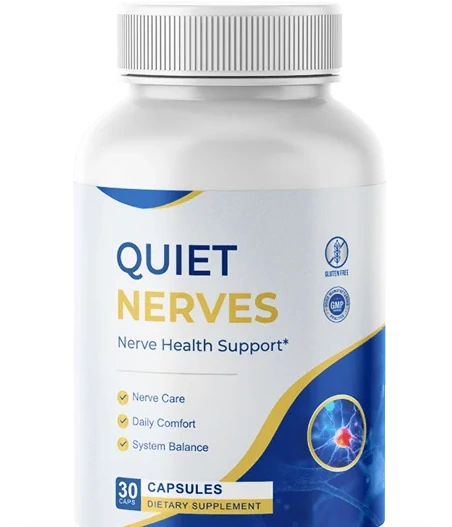
See what else is in Quiet Nerves
A once-daily capsule with six named ingredients and 60 days to decide whether it suits you.
Explore Quiet Nerves →Frequently Asked Questions
What does acetyl-L-carnitine do for nerves?
Acetyl-L-carnitine helps shuttle fatty acids into the mitochondria so cells can produce energy, and its acetyl group is a building block the body can use for the messenger chemical acetylcholine. Because nerve cells are very energy-demanding, ALCAR is a common addition to nerve-support routines. It is nutritional support, not a treatment for any condition.
Is acetyl-L-carnitine better than L-carnitine?
For nerve and cognitive support, acetyl-L-carnitine (ALCAR) is generally preferred because it carries an acetyl group and moves into nervous tissue more readily than plain L-carnitine, which is more associated with exercise and general energy. If a label says only L-carnitine without the acetyl prefix, it is probably not the form chosen for nerve support.
When should I take acetyl-L-carnitine?
Acetyl-L-carnitine is usually taken away from meals, on a relatively empty stomach, and is often split into more than one dose during the day. Some people find it mildly energising, so taking the last dose earlier rather than late at night is a common habit. Check with your doctor for the amount that suits you.
Can you get acetyl-L-carnitine from food?
Your body makes carnitine in the liver and kidneys, and you get small amounts from red meat and dairy, but the quantities are modest compared with a supplement. Because dietary intake and natural production can vary, ALCAR is a frequent addition to nerve and cognitive formulas.
Is acetyl-L-carnitine safe to take with other nerve supplements?
Acetyl-L-carnitine is often combined with antioxidants such as alpha-lipoic acid and with B-vitamins in nerve formulas. As with any supplement, if you are pregnant, nursing, under 18, managing a health condition or taking medication, speak with a healthcare professional before combining products.
References
- Carnitine: Fact Sheet for Health Professionals (NIH Office of Dietary Supplements)
- Acetyl-L-Carnitine in Dementia and Other Cognitive Disorders: A Critical Update (Nutrients, 2020)
- L-Carnitine (Linus Pauling Institute, Micronutrient Information Center)
- Dietary and Herbal Supplements (National Center for Complementary and Integrative Health)
About the Quietanerves Editorial Desk
The Quietanerves Editorial Desk writes this independent guide and checks every ingredient statement against the sources linked above. No doctor reviews it, and an article about an ingredient is not a statement about the Quiet Nerves capsule unless it says so. Speak to a healthcare professional about your own situation.
† These statements have not been evaluated by the FDA. This product is not intended to diagnose, treat, cure or prevent any disease. This article is for general information only and is not medical advice. Speak with your physician before starting any supplement, especially if you are pregnant, nursing, under 18 or taking medication.