Lion's Mane for Nerve Health: How Hericenones Support NGF, Dosage and What to Look For
| What it is | An edible mushroom (Hericium erinaceus) used for centuries in East Asia and now studied for nerve support. |
| Why nerves | Its compounds — hericenones and erinacines — are studied for supporting nerve growth factor (NGF). |
| Two parts | The fruiting body is rich in hericenones; the mycelium holds erinacines. A good label names the part. |
| On the label | Look for a real extract standardised to beta-glucans, a clear milligram figure and third-party testing. |
What lion's mane actually is
Lion's mane for nerve health has moved from a niche mushroom to one of the most-searched natural nerve topics, and the reason is a genuinely unusual mechanism rather than marketing hype. Lion's mane — botanically Hericium erinaceus — is a large, white, shaggy edible mushroom that grows on hardwood trees and looks a little like a cascading mane, which is where the name comes from. It has been used as both food and a traditional tonic in China, Japan and Korea for centuries. A 2023 review in the International Journal of Molecular Sciences surveys the neurotrophic and neuroprotective research of Hericium erinaceus.
What lifted it from the dinner plate into the supplement aisle is a family of compounds it produces. Two groups in particular — hericenones and erinacines — are the reason researchers keep returning to this mushroom when they study the nervous system. Before you buy, it is worth understanding how those compounds are thought to work, why the part of the mushroom matters, and what separates a serious lion's mane extract from a bag of cheap powder.
How lion's mane supports nerve tissue: the NGF connection
The single idea at the centre of lion's mane research is nerve growth factor, usually shortened to NGF. NGF is a naturally occurring protein — a member of a family called neurotrophins — that helps nerve cells grow, mature and stay maintained. Think of neurotrophins as the maintenance crew that keeps neurons in good repair and their connections intact. The body makes NGF on its own, but the capacity to do so can vary with age and everyday stress. Mori and colleagues showed the nerve growth factor-inducing activity in cultured human astrocytoma cells — a laboratory finding, not a human outcome.
Here is where lion's mane is different from a plain antioxidant. Hericenones, found mainly in the fruiting body, and erinacines, found mainly in the mycelium, are small enough and structured in a way that they are studied for their ability to stimulate the body's own synthesis of NGF. Rather than acting as NGF themselves, they appear to encourage cells to produce more of it. Because NGF supports the maintenance of neurons and the myelin sheath that insulates them, this is why lion's mane is framed as a nerve-support ingredient rather than simply another antioxidant.
That mechanism also explains a practical point covered later: lion's mane is a slow, cumulative ingredient. Supporting the body's own NGF production is a gradual background process, not an on-off switch, so consistency over weeks is the whole game.

Fruiting body vs mycelium: why the part matters
This is the detail most shoppers miss, and it is the biggest quality divide in the entire category. A lion's mane mushroom has two very different parts, and they do not contain the same compounds.
- ✓ Fruiting body — the visible mushroom you would recognise. It is the traditional food and is richest in hericenones and in beta-glucans, the structural polysaccharides used as a quality marker.
- ✓ Mycelium — the fine, root-like network the mushroom grows from. It is where erinacines are mostly found, and it can be grown quickly in a lab.
Both parts are legitimate, but there is a catch with mycelium. It is frequently grown on a bed of grain such as rice or oats, and many inexpensive products harvest the whole thing — mycelium plus the leftover grain — grind it up and sell it as "lion's mane." The result can be a powder that is largely starch, with only a small fraction of actual mushroom compounds. That is why a transparent label that names the part used, and states the beta-glucan content, is worth far more than a big-number "strength" claim.
Extract vs raw powder: absorption and concentration
The other quality question is whether you are getting an extract or raw powder. The active compounds in lion's mane are locked inside tough cell walls made of chitin, which humans do not digest well. A hot-water or dual (water and alcohol) extraction breaks those walls down and concentrates the beneficial compounds, which is why quality products list a standardised extract rather than plain milled mushroom. A dual extraction is often preferred because some compounds are water-soluble and others are better drawn out with alcohol. Lai and colleagues reported neurotrophic activity from extracts in the International Journal of Medicinal Mushrooms (2013).
A useful shorthand: a good label tells you the extraction method and gives a beta-glucan percentage (a real number, not a vague "polysaccharide" figure that can quietly include the grain starch). If a product only says "10:1 extract" with no plant part and no beta-glucan figure, treat that as a red flag rather than a badge.
Dosage context and timing
Human studies on lion's mane have used a range of daily amounts, with figures around 500 to 1000 mg of extract per day appearing frequently in the literature, sometimes split across the day. As with every ingredient we cover, the right amount for any individual is a conversation for a healthcare professional rather than a number to copy from a blog. Lion's mane is generally well tolerated and is commonly taken with food, and because it is not a stimulant it can be taken in the morning or evening to suit your routine. The most-cited human trial, a double-blind placebo-controlled study in Phytotherapy Research, ran for sixteen weeks in older adults with mild cognitive impairment, and its benefit faded after the supplement stopped.
The more important variable is time. Because the proposed mechanism is supporting the body's own NGF production, benefits are cumulative and gradual. People who try lion's mane for three days and give up have not really tried it; the ingredient is designed for weeks of steady use, the same way you would not judge a strength-training programme after a single session.
Not in Quiet Nerves: lion’s mane
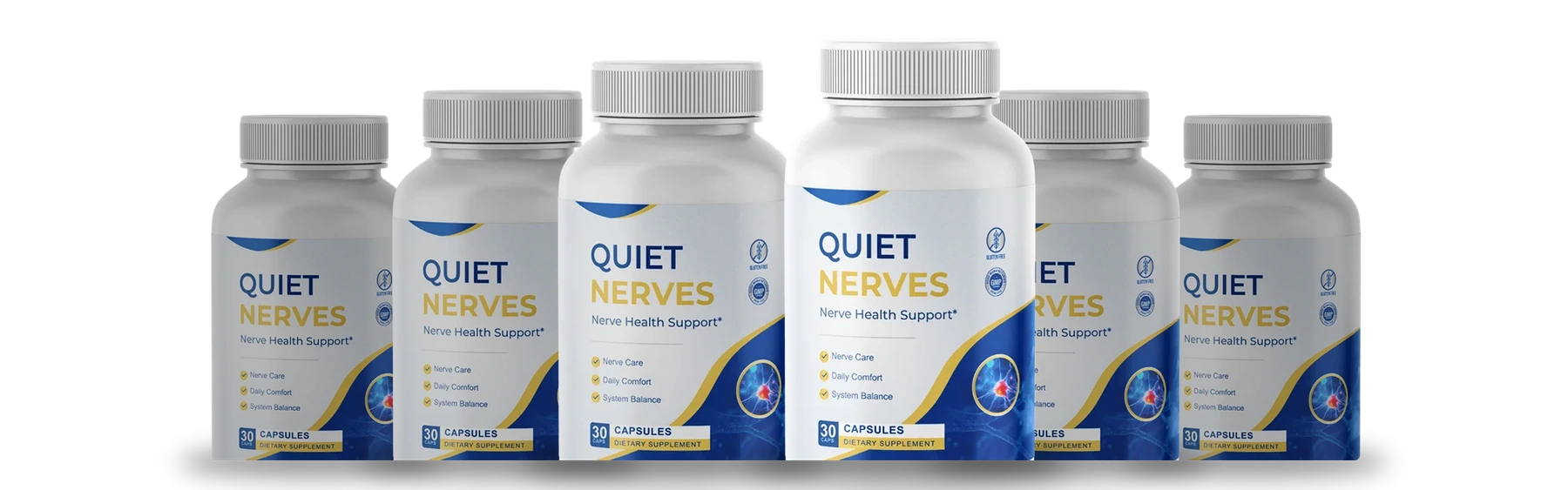
Quiet Nerves does not contain lion’s mane. Its six named ingredients are magnesium glycinate, alpha lipoic acid, butcher’s broom, L-carnitine, turmeric and coenzyme Q10, with a 60-day money-back guarantee on every pack.
See Quiet Nerves PackagesWhat to look for on a lion's mane label
- Which part of the mushroom?
A quality label states "fruiting body," "mycelium," or the ratio of both — it does not hide the answer.
- Is it a real extract?
Look for a hot-water or dual extract standardised to beta-glucans, not plain milled mushroom powder.
- Is the amount stated clearly?
A specific milligram figure per serving beats a vague "mushroom complex."
- Is it third-party tested?
Independent testing for potency and contaminants is the best sign the number on the label is real.
A quick myth to clear up
Lion's mane is sometimes marketed as a quick "brain boost" you can feel within an hour, like caffeine. That is not how the NGF mechanism works, and honest sources will say so. Lion's mane is not a stimulant and does not deliver a jolt; its value is in slow, structural support. If a product promises instant, dramatic effects, that claim tells you more about the marketer than the mushroom. Statements about lion's mane describe traditional and general use and are not a treatment for any condition.
How lion's mane compares with other nerve ingredients
It helps to see where lion's mane sits in a wider nerve routine, because it does something the others do not. Antioxidants such as alpha-lipoic acid and CoQ10 protect nerve tissue from oxidative wear and support the mitochondria that power it. B-vitamins keep nerve signalling and myelin maintenance supplied — see our guide to B vitamins for nerve health. Lion's mane adds a distinct angle: supporting the growth-and-maintenance signalling that keeps neurons in good repair over time. It complements the antioxidants rather than competing with them.
None of this replaces the foundations — a varied diet, sleep, movement and stress management remain the base of any nerve routine. Think of lion's mane as a specialised addition for the maintenance side of the picture, not a stand-alone fix.
A note on quality and third-party testing
As with any mushroom supplement, quality varies enormously, and the gap between a genuine fruiting-body extract and a starch-heavy powder is the widest in the entire nerve category. Look for products made in a GMP-certified facility, ideally with third-party testing, and be wary of "proprietary blends" that hide how much real extract you are getting. A transparent label that states the part, the extract type and the beta-glucan content is a strong sign the rest of the product was made with the same care.
Where lion's mane fits in a nerve routine
Think of lion's mane as the maintenance-and-repair specialist of a nerve-support routine, working over weeks alongside the day-to-day nutrients. The antioxidants handle oxidative protection, the B-vitamins and magnesium keep signalling supplied, and lion's mane supports the body's own growth-factor machinery. For the complete daily picture, including habits and sleep, start from the Quiet Nerves homepage or read how to support nerve health naturally.
What Quiet Nerves does contain
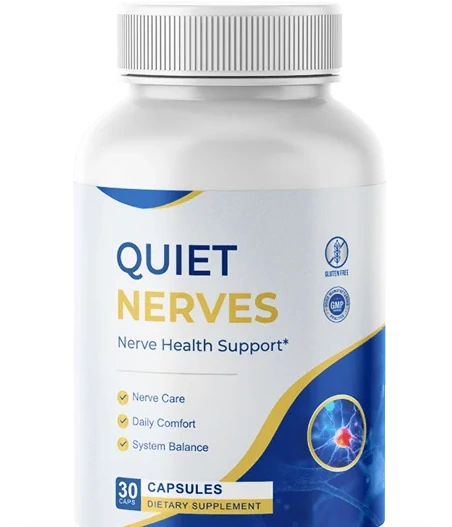
A once-daily capsule with six named ingredients and 60 days to decide whether it suits you.
Explore Quiet Nerves →Frequently Asked Questions
What does lion's mane do for nerves?
Lion's mane is an edible mushroom whose compounds, hericenones and erinacines, are studied for their ability to support the body's production of nerve growth factor (NGF), a protein that helps maintain and protect nerve cells. It is used traditionally and generally as nutritional support for nerve and cognitive health, not as a treatment for any condition.
Should I choose fruiting body or mycelium lion's mane?
Both parts are valid but they contain different compounds. The fruiting body, the visible mushroom, is richer in hericenones, while the mycelium, the root-like network, is where erinacines are mostly found. A transparent label tells you which part was used and avoids large amounts of grain starch left over from mycelium grown on grain.
How much lion's mane should I take?
Studies have used a wide range of daily amounts, often cited around 500 to 1000 mg of extract taken with food, but the right amount for any individual is a conversation for a healthcare professional. Consistency over weeks matters more than a single large dose, because NGF support is a gradual process.
Is lion's mane a nootropic or a nerve supplement?
It is often described as both, because the same NGF-supporting mechanism relevant to nerves throughout the body is also studied for cognition and memory. In a nerve formula it sits alongside antioxidants and B-vitamins rather than replacing them.
What should I look for on a lion's mane label?
Look for the plant part used, an extract standardised to beta-glucans rather than raw powder, a clear milligram figure per serving, and third-party testing. Be cautious of products that list a high strength but hide behind a proprietary blend or a starch-heavy mycelium powder.
References
- Nerve growth factor-inducing activity of Hericium erinaceus in 1321N1 human astrocytoma cells (Biol Pharm Bull, 2008)
- Neurotrophic properties of the Lion’s mane medicinal mushroom, Hericium erinaceus (Higher Basidiomycetes) from Malaysia (Int J Med Mushrooms, 2013)
- Neurotrophic and Neuroprotective Effects of Hericium erinaceus (Int J Mol Sci, 2023)
- Improving effects of the mushroom Yamabushitake (Hericium erinaceus) on mild cognitive impairment: a double-blind placebo-controlled clinical trial (Phytother Res, 2009)
About the Quietanerves Editorial Desk
The Quietanerves Editorial Desk writes this independent guide and checks every ingredient statement against the sources linked above. No doctor reviews it, and an article about an ingredient is not a statement about the Quiet Nerves capsule unless it says so. Speak to a healthcare professional about your own situation.
† These statements have not been evaluated by the FDA. This product is not intended to diagnose, treat, cure or prevent any disease. This article is for general information only and is not medical advice. Speak with your physician before starting any supplement, especially if you are pregnant, nursing, under 18 or taking medication.