Citicoline for Nerve Health: CDP-Choline Dosage and Forms
| What it is | Cytidine diphosphate-choline (CDP-choline) — a compound the body uses to build nerve-cell membranes. |
| Why nerves | It supplies choline and cytidine for phosphatidylcholine (membranes) and for acetylcholine (signalling). |
| Two jobs | It supports both the structure and the signalling of nerve cells, which is unusual. |
| On the label | Look for "citicoline" or "CDP-choline," a clear mg figure and ideally a tested branded form. |

What citicoline actually is
Citicoline for nerve health is one of those ingredients that sounds intimidating until you break the name apart. Citicoline is the common name for cytidine diphosphate-choline, usually shortened to CDP-choline. It is a naturally occurring compound — your body makes it as an intermediate step whenever it builds new cell membranes — and it is also sold as a dietary supplement, sometimes under branded forms you may recognise on a label. Synoradzki and Grieb weigh up how citicoline compares with plain choline in Nutrients (2019).
The reason citicoline earns a place in serious nerve and brain formulas is that it delivers two useful building blocks at once: choline and cytidine. Both are raw materials the nervous system needs, and supplying them together sets citicoline apart from a plain choline supplement. Before you buy, it is worth understanding how those building blocks are used, how citicoline differs from choline and alpha-GPC, and what a good label actually tells you.
How citicoline supports nerve tissue: membranes and messaging
Nerve cells have two jobs that both depend on the same nutrients: they need to maintain their structure and they need to send signals. Citicoline is unusual because it feeds into both at once. Grieb’s review in CNS Drugs (2014) is unusually honest about which of these mechanisms are established and which are not.
The structural side comes down to phosphatidylcholine, one of the main phospholipids that make up the membranes wrapping every nerve cell and its extensions. Membranes are not static walls; they are constantly being repaired and rebuilt, and that process runs through a series of reactions known as the Kennedy pathway. Citicoline sits right in the middle of that pathway, which is why it is described as supporting the raw materials for building and maintaining nerve-cell membranes.
The signalling side comes down to acetylcholine, one of the body's most important neurotransmitters, involved in muscle activation, attention and memory. Because citicoline supplies choline, it supports the pool of raw material available for acetylcholine production. And the cytidine it releases is converted in the body to uridine, another nucleotide studied for its role in nerve-cell membranes — a bonus that plain choline cannot offer. Together, this dual role — structure plus signalling — is why citicoline is framed as a nerve-support nutrient rather than a single-purpose one.
Citicoline vs choline vs alpha-GPC: the family explained
This is where shoppers get confused, because several "choline" products sit side by side on the shelf and they are not interchangeable. The NIH choline fact sheet for health professionals covers where choline comes from in the diet and how much adults need. Here is the plain-English map:
- ✓ Plain choline (such as choline bitartrate) — the basic nutrient. Useful, inexpensive, but it delivers only choline.
- ✓ Citicoline (CDP-choline) — delivers choline plus cytidine, which becomes uridine. Studied specifically for nerve-cell membranes and the cytidine pathway.
- ✓ Alpha-GPC — another choline donor, but it delivers glycerophosphate rather than cytidine. Often chosen when raising choline availability is the main goal.
None of these is universally "best." The right pick depends on the goal: citicoline is often chosen when the membrane-and-cytidine angle is the focus, while alpha-GPC is chosen when the priority is simply a highly bioavailable choline donor. If a label just says "choline complex" without naming the form, it is hiding the one detail that determines what you are actually buying.
Dosage context and timing
Research on citicoline has used a range of daily amounts, with figures around 250 to 500 mg per day appearing frequently, and higher amounts in some studies. As always, the right amount for any individual is a conversation for a healthcare professional rather than a number to copy from an article. Citicoline is water-soluble, so it can be taken with or without food, and because some people find it gently alerting, it is often taken earlier in the day rather than at night. Secades and Lorenzo catalogued the doses used in clinical work in their 2006 pharmacological and clinical review.
Citicoline is generally well tolerated. As with the other nutrients we cover, it is not a quick fix; it supplies raw materials the body uses over time, so consistency across several weeks is what gives it a fair trial.
Not in Quiet Nerves: citicoline
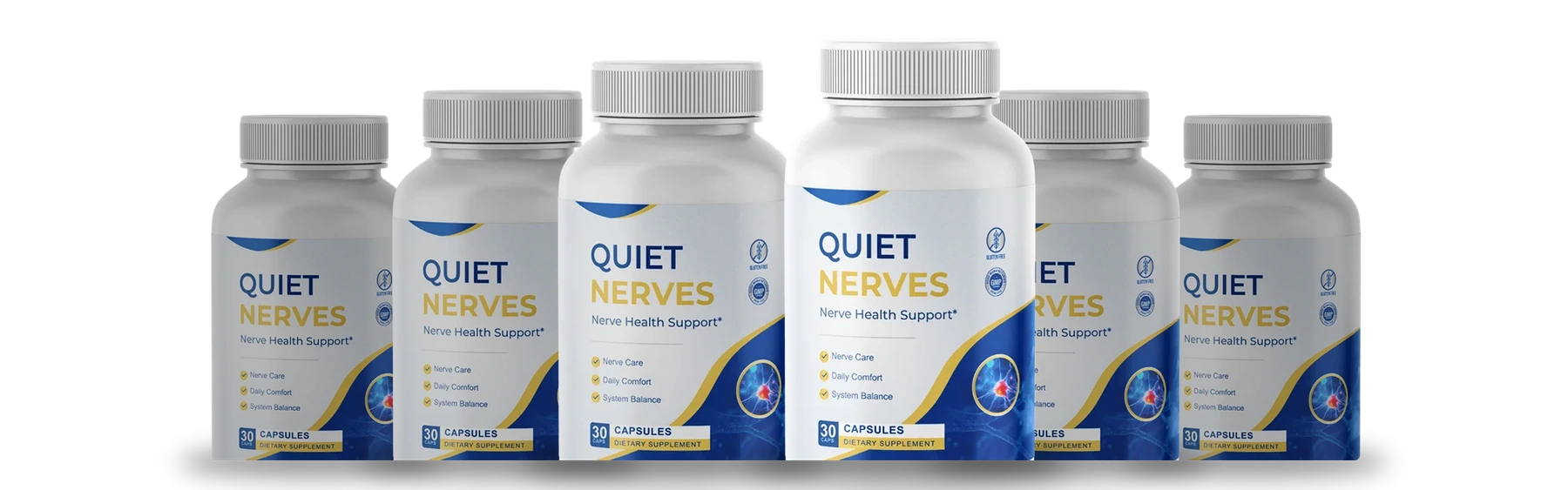
Quiet Nerves does not contain citicoline. Its six named ingredients are magnesium glycinate, alpha lipoic acid, butcher’s broom, L-carnitine, turmeric and coenzyme Q10, with a 60-day money-back guarantee on every pack.
See Quiet Nerves PackagesWhat to look for on a citicoline label
- Does it name the form?
A quality label says "citicoline" or "CDP-choline," not just "choline complex."
- Is the amount stated clearly?
Look for a specific milligram figure of citicoline per serving, not a figure buried inside a larger blend.
- Is it a recognised branded form?
Well-known branded citicoline ingredients usually come with published purity and testing standards.
- Is it third-party tested?
Independent testing is the best sign the number on the label is the number in the capsule.
A quick myth to clear up
Citicoline is sometimes marketed as a same-day "focus pill" that works like caffeine. While some people do notice a gentle sense of alertness, citicoline's real value is structural — it supplies raw materials the body uses to build and maintain nerve-cell membranes over time. That is a slow, background job, not a stimulant hit. Honest sources describe it that way, and any product promising instant, dramatic effects is overselling. Statements about citicoline describe general use and are not a treatment for any condition.
How citicoline compares with other nerve ingredients
It helps to see where citicoline sits in a wider nerve routine, because it plays a role the others do not. Antioxidants such as alpha-lipoic acid protect nerve tissue from oxidative wear, while energy-and-messaging nutrients like acetyl-L-carnitine support the mitochondria and signalling. Citicoline adds the membrane raw materials — the structural side of the equation — along with support for acetylcholine. It complements those nutrients rather than competing with them, which is why choline donors and antioxidants often appear together in the same formula.
None of this replaces the foundations — a varied diet, sleep, movement and stress management remain the base of any nerve routine. Think of citicoline as a specialised addition for the structure-and-signalling side of the picture, not a stand-alone fix.
A note on quality and third-party testing
As with any supplement, quality varies. Look for products made in a GMP-certified facility, ideally with third-party testing, and be wary of vague "proprietary blends" that hide how much citicoline you are actually getting. A transparent label that names the form and states the amount is a strong sign the rest of the product was made with the same care.
Where citicoline fits in a nerve routine
Think of citicoline as the membrane-and-messaging supplier of a nerve-support routine, working alongside the protective and signalling nutrients. The antioxidants handle oxidative protection, the B-vitamins keep signalling supplied — see our guide to B vitamins for nerve health — and citicoline provides raw materials for the cell membranes themselves. A different route to the same goal — supporting the body’s own nerve growth factor — is discussed in lion’s mane for nerve health. For the complete daily picture, including habits and sleep, start from the Quiet Nerves homepage or read how to support nerve health naturally.
What Quiet Nerves does contain
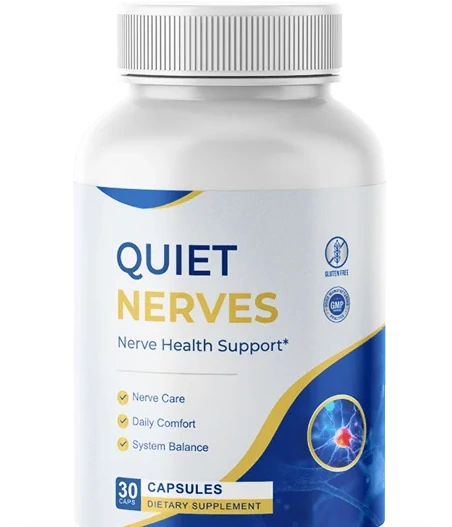
A once-daily capsule with six named ingredients and 60 days to decide whether it suits you.
Explore Quiet Nerves →Frequently Asked Questions
What does citicoline do for nerves?
Citicoline supplies two building blocks, choline and cytidine, that the body uses to make phosphatidylcholine, a major component of nerve-cell membranes, and to support acetylcholine, a key signalling neurotransmitter. In short, it provides raw materials for both the structure and the signalling of nerve cells. It is nutritional support and describes general use, not a treatment for any condition.
Is citicoline the same as choline?
No. Plain choline is a single nutrient, whereas citicoline (cytidine diphosphate-choline, or CDP-choline) is a compound that delivers choline together with cytidine, which the body converts to uridine. That extra component is part of why citicoline is studied specifically for nerve-cell membranes rather than as a basic choline source alone.
How is citicoline different from alpha-GPC?
Both are choline-donor compounds, but they deliver different secondary molecules. Citicoline provides cytidine and uridine alongside choline, while alpha-GPC provides glycerophosphate. Citicoline is often chosen when the membrane and cytidine pathway is the focus; the best choice depends on the goal, and a healthcare professional can help you decide.
How much citicoline is typically taken?
Studies commonly reference daily amounts around 250 to 500 mg, though higher amounts appear in some research. The right amount for any individual should be discussed with a healthcare professional. Citicoline is water-soluble and can be taken with or without food, often earlier in the day.
What should I look for on a citicoline label?
Look for the words citicoline or CDP-choline, a clear milligram figure per serving, and ideally a recognised branded form with third-party testing. Avoid proprietary blends that hide how much citicoline is actually included, and check whether the figure refers to citicoline itself rather than a larger blend.
References
- Citicoline: pharmacological and clinical review, 2006 update (Methods Find Exp Clin Pharmacol, 2006)
- Neuroprotective properties of citicoline: facts, doubts and unresolved issues (CNS Drugs, 2014)
- Citicoline: A Superior Form of Choline? (Nutrients, 2019)
- Choline: Fact Sheet for Health Professionals (NIH Office of Dietary Supplements)
About the Quietanerves Editorial Desk
The Quietanerves Editorial Desk writes this independent guide and checks every ingredient statement against the sources linked above. No doctor reviews it, and an article about an ingredient is not a statement about the Quiet Nerves capsule unless it says so. Speak to a healthcare professional about your own situation.
† These statements have not been evaluated by the FDA. This product is not intended to diagnose, treat, cure or prevent any disease. This article is for general information only and is not medical advice. Speak with your physician before starting any supplement, especially if you are pregnant, nursing, under 18 or taking medication.