Turmeric and Curcumin for Nerves: Bioavailability and Labels
| Turmeric vs curcumin | Curcumin is the active compound; turmeric root is only about 2–5% curcuminoids. |
| Why nerves | Curcumin is studied for antioxidant support and a healthy inflammatory response around nerve tissue. |
| The catch | Plain curcumin is poorly absorbed; black pepper (piperine) or special forms help a lot. |
| On the label | Look for “standardised to 95% curcuminoids” plus piperine or an enhanced-absorption form. |
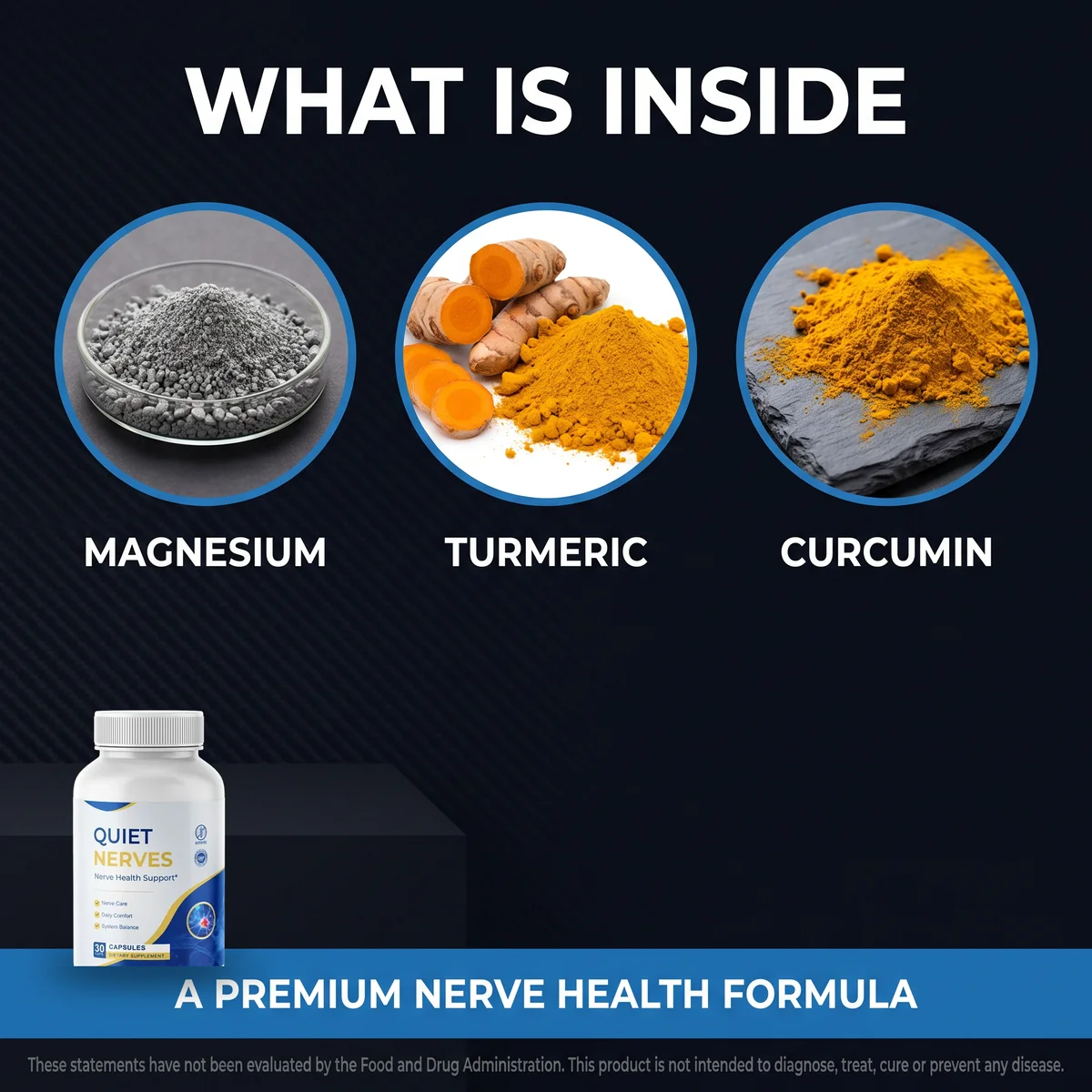
Turmeric vs curcumin: what is actually the active ingredient?
Search for turmeric and curcumin for nerve support and you will quickly meet a point of confusion that trips up a lot of shoppers: turmeric and curcumin are not the same thing. Turmeric is the golden root (a relative of ginger) used as a spice for thousands of years. Curcumin is the star compound inside turmeric — the most studied of a group of pigments called curcuminoids that give the root its colour and most of its prized activity. The National Center for Complementary and Integrative Health draws the same distinction on its turmeric page.
Here is the number that changes everything: whole turmeric root is only about 2 to 5 percent curcuminoids by weight. So a spoonful of turmeric powder contains a relatively small amount of the active compound. That single fact explains almost every quality difference between turmeric products, and it is the thread running through this guide.
How curcumin supports nerve tissue
Curcumin is valued in nerve formulas for two overlapping reasons. First, it is a genuine antioxidant, helping neutralise the free radicals that contribute to everyday oxidative stress — and nerve tissue is especially sensitive to that stress. Second, curcumin is widely studied for supporting a healthy inflammatory response. Inflammation is a normal, useful process, but keeping it in healthy balance is part of everyday nerve comfort, and curcumin is one of the most researched botanicals in that space. Hewlings and Kalman review those antioxidant and inflammatory-response mechanisms in Foods (2017).
This makes curcumin a natural partner to another antioxidant nerve ingredient, alpha-lipoic acid — the two cover complementary ground, as our guide to alpha-lipoic acid for nerve health explains. Together they handle the antioxidant side of a formula, while minerals and vitamins handle signalling.
The bioavailability problem — and why it matters most
Curcumin has one big weakness: on its own, it is poorly absorbed. Taken as plain curcumin, much of it is not absorbed well from the gut, and what does get in is rapidly processed and cleared by the liver. In other words, you can swallow a large amount of ordinary turmeric and still end up with very little curcumin actually circulating. This is the issue that separates a token pinch of turmeric from a formula designed to work. Anand and colleagues catalogued exactly why plain curcumin absorbs so poorly in Molecular Pharmaceutics (2007).
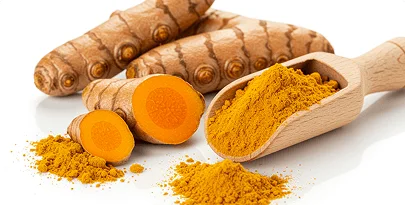
How good products solve it
Because absorption is the bottleneck, quality curcumin products use one or more well-established tricks to raise bioavailability:
- ✓ Black pepper extract (piperine / BioPerine). A small amount of piperine dramatically slows curcumin's breakdown in the body, raising the amount available. This is the classic, best-known pairing.
- ✓ Phospholipid / phytosome forms (such as Meriva) bind curcumin to lecithin to improve uptake.
- ✓ Nano or micellar formulations shrink or emulsify curcumin particles for better absorption.
- ✓ Taken with fat. Curcumin is fat-soluble, so taking it with a meal that contains some fat naturally helps.
Dosage context and standardisation
The single most useful word on a curcumin label is standardised. A product that says it is “standardised to 95% curcuminoids” is delivering a concentrated curcumin extract, not raw powder — a world apart from the 2–5% in the root. Combine a standardised extract with an absorption enhancer like piperine and you have the two things that actually determine whether curcumin can do its job. The piperine finding traces back to Shoba and colleagues in Planta Medica (1998).
Exact amounts vary between products and research settings, and the right amount for you is a question for a healthcare professional. Turmeric is generally well tolerated as a food and supplement, though very high amounts can cause mild digestive upset in some people, and those on blood-thinning medication or with gallbladder issues should check with their doctor first.
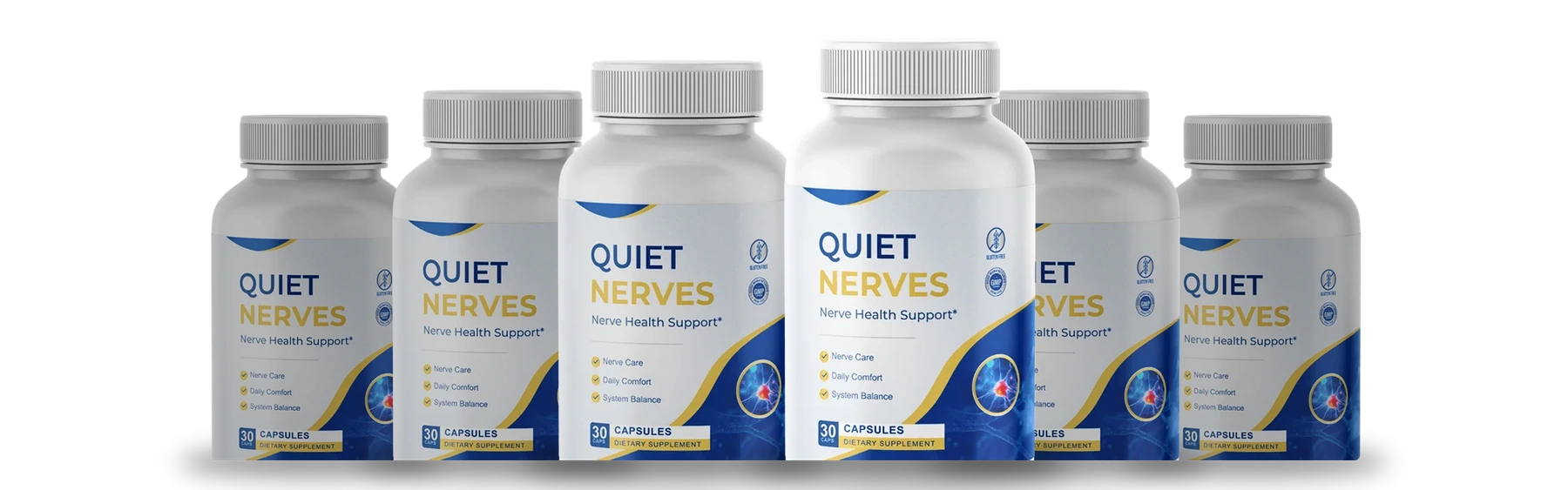
Quiet Nerves lists turmeric at 95% curcuminoids
Quiet Nerves is a once-daily capsule with six named ingredients: magnesium glycinate, alpha lipoic acid, butcher’s broom, L-carnitine, turmeric and coenzyme Q10. Every pack carries a 60-day money-back guarantee.
See Quiet Nerves PackagesHow to read a turmeric or curcumin label
- Standardised to 95% curcuminoids?
This tells you it is a concentrated extract, not raw turmeric powder. It is the first thing to look for.
- Is there an absorption enhancer?
Piperine (black pepper), a phytosome form, or a nano formulation shows the maker addressed curcumin's poor absorption.
- Turmeric vs curcumin, stated clearly
A good label distinguishes the two and tells you the curcuminoid content, not just “turmeric.”
- Take it with food
Because curcumin is fat-soluble, a meal with some fat supports absorption.
A quick myth to clear up
Raw turmeric from the spice rack is wonderful in cooking and adds antioxidant compounds to your plate, but it is not the same as a standardised, absorption-enhanced curcumin supplement. If your goal is meaningful curcumin intake for nerve support, the form and the absorption strategy matter far more than the size of the number on the front of the jar.
Turmeric in food and turmeric in a formula: use both
None of this means you should stop cooking with turmeric. Used in the kitchen — a curry, a golden-milk latte, a sprinkle over roasted vegetables — turmeric adds flavour, colour and a spread of beneficial plant compounds to your plate, and pairing it with black pepper and a little oil is a time-honoured combination that happens to align neatly with the absorption science. Culinary turmeric is a genuinely good habit.
The point is simply that food-level turmeric and a standardised curcumin supplement do different jobs at different intensities. If you enjoy turmeric in your cooking, keep doing it; if your goal is a consistent, meaningful curcumin intake for nerve support, a standardised, absorption-enhanced extract is the tool built for that. The two are complementary, not competing.
A note on quality and third-party testing
As with every ingredient in this series, quality separates products that work from products that merely list the right word. Favour curcumin made in a GMP-certified facility, look for third-party testing where you can, and treat a transparent label — one that states the curcuminoid percentage and the absorption method — as a signal of a maker worth trusting.
Where turmeric fits in a nerve routine
Turmeric's curcumin is the botanical antioxidant piece of a nerve-support routine. It works alongside alpha-lipoic acid on the antioxidant side, while magnesium and the B-vitamins — see our guides on the best form of magnesium for nerve health and B vitamins for nerve health — support signalling and structure. Add the calming botanicals covered in ashwagandha vs L-theanine, plus good sleep and movement, and you have a rounded routine. Curcumin is not the only compound studied for a calm inflammatory response; the fatty-acid amide covered in PEA for nerve health works through a quite different pathway. See how it all comes together on the Quiet Nerves homepage.
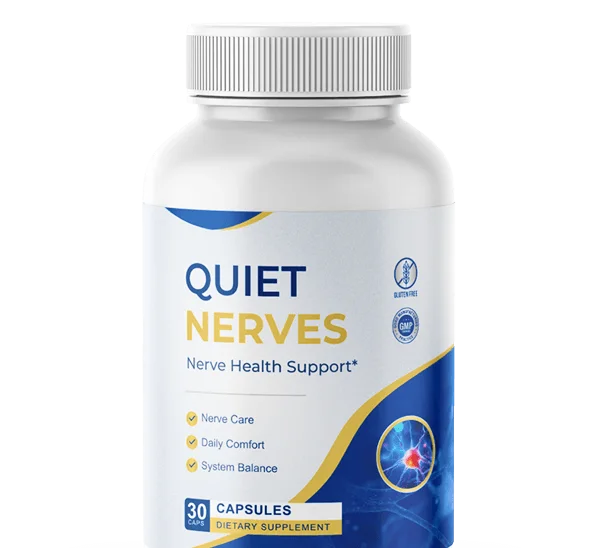
See the six Quiet Nerves ingredients
A once-daily capsule with six named ingredients and 60 days to decide whether it suits you.
Explore Quiet Nerves →Frequently Asked Questions
Is turmeric or curcumin better for nerves?
Curcumin is the active compound, and it is what most nerve-support research focuses on. Whole turmeric root is only about 2 to 5 percent curcuminoids by weight, so a standardised curcumin extract delivers far more of the active compound than raw turmeric powder. For meaningful support, look for a curcumin extract rather than plain turmeric.
Why is curcumin so poorly absorbed?
On its own, curcumin is not absorbed well from the gut, and what does get in is rapidly processed and cleared by the liver. That is why plain turmeric delivers little circulating curcumin, and why quality products use absorption enhancers such as black pepper extract, phytosome forms or nano formulations.
Do I need black pepper with turmeric?
A small amount of piperine from black pepper significantly slows curcumin's breakdown in the body and raises the amount available, so it is the classic and best-known way to improve curcumin absorption. Phytosome and nano formulations are alternatives, and taking curcumin with a meal that contains fat also helps because it is fat-soluble.
How much curcumin is in turmeric?
Whole turmeric root contains only about 2 to 5 percent curcuminoids by weight, so a spoonful of turmeric powder provides a relatively small amount of curcumin. Supplement extracts standardised to around 95 percent curcuminoids concentrate that active fraction, which is why standardisation is the key word to look for.
Should I take turmeric with food?
Yes, taking curcumin with a meal that contains some fat supports absorption because curcumin is fat-soluble. Turmeric is generally well tolerated, but very high amounts can cause mild digestive upset in some people, and anyone on blood-thinning medication or with gallbladder issues should check with their doctor first.
References
- Turmeric (National Center for Complementary and Integrative Health)
- Curcumin: A Review of Its Effects on Human Health (Foods, 2017)
- Influence of piperine on the pharmacokinetics of curcumin in animals and human volunteers (Planta Med, 1998)
- Bioavailability of curcumin: problems and promises (Mol Pharm, 2007)
About the Quietanerves Editorial Desk
The Quietanerves Editorial Desk writes this independent guide and checks every ingredient statement against the sources linked above. No doctor reviews it, and an article about an ingredient is not a statement about the Quiet Nerves capsule unless it says so. Speak to a healthcare professional about your own situation.
† These statements have not been evaluated by the FDA. This product is not intended to diagnose, treat, cure or prevent any disease. This article is for general information only and is not medical advice. Speak with your physician before starting any supplement, especially if you are pregnant, nursing, under 18 or taking medication.