Vitamin D and Nerve Health: D3 vs D2 and Daily Dosage
| What it is | A fat-soluble, hormone-like vitamin the skin makes from sunlight — many people fall short of it. |
| Why nerves | Vitamin D receptors sit throughout nervous tissue; it supports neurotrophic factors and calcium signalling. |
| D3 vs D2 | D3 (cholecalciferol) is generally more effective; vegans can choose lichen-derived D3. |
| On the label | Look for D3 with a clear IU/mcg amount, ideally with K2 or an oil base; take it with a fatty meal and enough magnesium. |

What vitamin D actually is
Vitamin D for nerve health is one of the most searched combinations in the whole nutrition space, and for a reason: vitamin D is unusual among vitamins because it behaves more like a hormone. Your skin makes it when exposed to sunlight, which is why it earned the nickname “the sunshine vitamin,” and once activated it influences hundreds of genes throughout the body. Modern indoor life, higher latitudes, sunscreen and darker skin tones all make it a nutrient many people fall short on. The NIH vitamin D fact sheet for health professionals covers synthesis in skin, the two dietary forms and the blood test used to measure status.
You will see two forms on labels: D3 (cholecalciferol), the form your skin makes and the one found in animal foods, and D2 (ergocalciferol), a plant-derived form. Because it is fat-soluble and hormone-like, both the form you choose and how you take it affect how well it works — details we will get to below.
How vitamin D relates to nerve health
Vitamin D's connection to the nervous system is an active area of research. Receptors for vitamin D are found throughout nervous tissue, and the vitamin is involved in the body's production of certain neurotrophic factors — the signals that help nerve cells grow and stay healthy. Vitamin D also plays a central role in how the body handles calcium, and calcium is one of the ions nerves use to fire and communicate. That places vitamin D upstream of the everyday signalling that keeps the nervous system running smoothly. A 2020 systematic review in Clinical Nutrition found the trial evidence mixed and mostly small — interesting, not conclusive.
There is an important partnership to know about here: vitamin D and magnesium work as a team. The body needs magnesium to convert vitamin D into its active form, so a routine that is generous with vitamin D but short on magnesium may not get the full benefit. We cover that mineral in depth in our guide to the best form of magnesium for nerve health. None of this makes vitamin D a treatment for any condition — it is nutritional support — but it does explain why it appears so often in nerve and mood discussions.
D3 vs D2: why the form matters
If you are choosing a supplement, this is the detail to get right. The Linus Pauling Institute’s vitamin D article compares the two forms and how each raises blood levels.

- ✓ D3 (cholecalciferol) is the form your skin produces and is generally considered more effective at raising and maintaining blood levels of vitamin D.
- ✓ D2 (ergocalciferol) is plant-derived and still used, but is often regarded as less potent, unit for unit.
For most people, a D3 supplement is the straightforward choice; vegans can look for a lichen-derived D3, which offers the preferred form from a plant source. Vitamin D is also frequently paired with vitamin K2, which helps direct calcium to the right places, so you will often see the two combined on a label.
Dosage, blood levels and timing
Vitamin D is a nutrient where more is not automatically better, because it is fat-soluble and stored in the body rather than flushed out. Daily amounts are measured in international units (IU) or micrograms, and the right figure depends heavily on your baseline — which is why a simple blood test is the most reliable guide, and why this is genuinely a conversation for a healthcare professional rather than a number to copy from an article.
What is broadly agreed is how to take it: because vitamin D is fat-soluble, it is best taken with a meal that contains some fat for better absorption. Pairing it with adequate magnesium, as noted above, helps the body put it to use. Anyone who is pregnant or nursing, under 18, or taking medication should check with their doctor before starting.
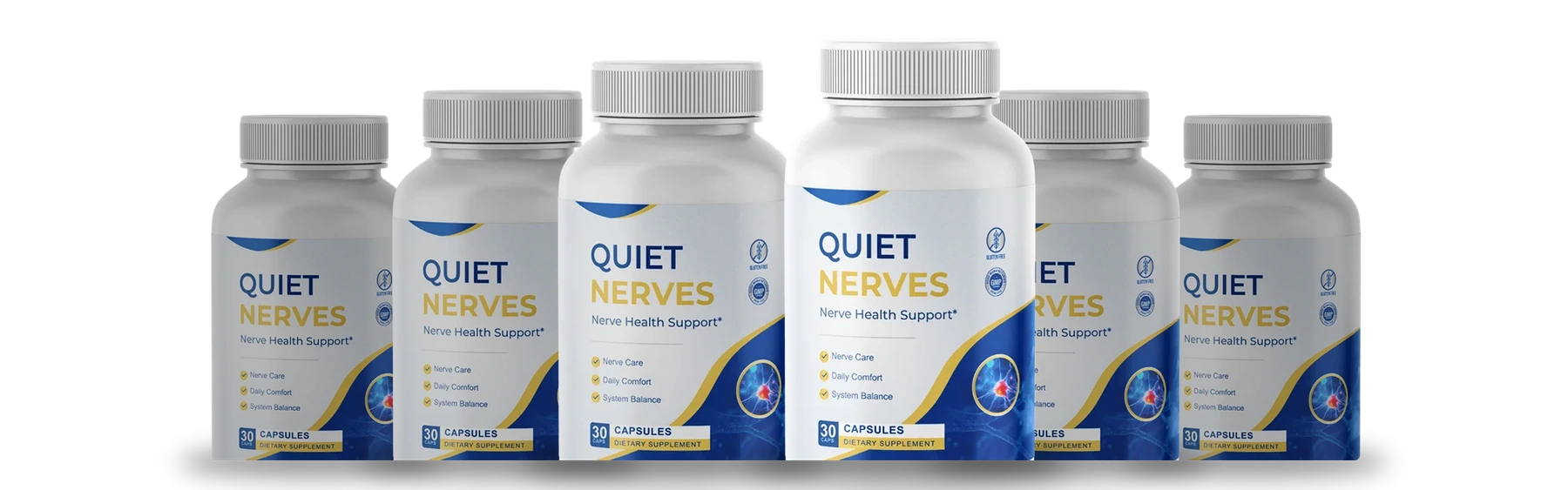
Not in Quiet Nerves: vitamin D
Quiet Nerves does not contain vitamin D. Its six named ingredients are magnesium glycinate, alpha lipoic acid, butcher’s broom, L-carnitine, turmeric and coenzyme Q10, with a 60-day money-back guarantee on every pack.
See Quiet Nerves PackagesWhat to look for on a vitamin D label
- Is it D3, not D2?
D3 (cholecalciferol) is generally the more effective form. Vegans can look for lichen-derived D3.
- Is the amount clear in IU or mcg?
A specific figure per serving lets you match your supplement to your needs and any blood-test guidance.
- Is it paired with K2 or a fat carrier?
Vitamin K2 and an oil base can both improve how the body uses and absorbs vitamin D.
- GMP and third-party testing?
As with any supplement, a GMP-certified facility and independent testing signal a quality product.
Who is most likely to run low
Vitamin D is unusual in that shortfalls are common even in otherwise well-fed populations, simply because sunlight — not food — is the main natural source. Several groups are more likely to run low: people who live at higher latitudes or through long winters, those who spend most of the day indoors, anyone who consistently uses sunscreen (sensible for skin health, but it reduces vitamin D synthesis), people with darker skin tones, and older adults, whose skin makes less vitamin D than it once did. Food helps only modestly — fatty fish, egg yolks and fortified products are the main dietary contributors — which is why a supplement is such a common way to keep levels steady. The one reliable way to know where you stand is a simple blood test, which turns guesswork into a number you and your doctor can act on. Uwitonze and Razzaque explain why magnesium status affects vitamin D activation in the Journal of the American Osteopathic Association (2018).
A realistic view of what to expect
Vitamin D corrects a shortfall rather than delivering a stimulant-style effect, so its role is best understood as maintaining a healthy baseline the rest of your nerve nutrients can build on. More is not better once your levels are adequate, and because it is stored in the body, steady, appropriate dosing beats occasional large amounts. Consistency, a fatty meal for absorption and enough magnesium to activate it are the practical fundamentals.
Where vitamin D fits in a nerve routine
Think of vitamin D as an upstream nutrient — one that supports the signalling environment your nerves operate in, especially through its partnership with magnesium and calcium. It sits naturally alongside the B-vitamins and the fat-soluble omega-3s; see our guides to B vitamins for nerve health and omega-3 for nerve health, both of which pair well with a sensible vitamin D routine. For the complete daily picture, start from the Quiet Nerves homepage.
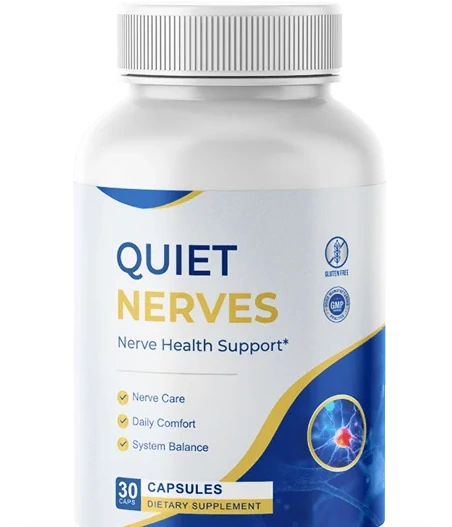
What Quiet Nerves does contain
A once-daily capsule with six named ingredients and 60 days to decide whether it suits you.
Explore Quiet Nerves →Frequently Asked Questions
How does vitamin D relate to nerve health?
Receptors for vitamin D are found throughout nervous tissue, and the vitamin is involved in producing certain neurotrophic factors that help nerve cells grow and stay healthy. It also governs how the body handles calcium, an ion nerves use to fire and communicate. Vitamin D is nutritional support, not a treatment for any condition.
Is D3 better than D2?
For most people, D3 (cholecalciferol) is the better choice because it is generally more effective at raising and maintaining blood levels of vitamin D than the plant-derived D2 (ergocalciferol). Vegans who prefer a plant source can look for lichen-derived D3, which offers the preferred form without animal ingredients.
Do vitamin D and magnesium work together?
Yes. The body needs magnesium to convert vitamin D into its active form, so a routine generous in vitamin D but short on magnesium may not deliver the full benefit. Ensuring adequate magnesium is a simple way to help your body put vitamin D to use, which is why the two are often discussed together.
When and how should I take vitamin D?
Because vitamin D is fat-soluble, it is best taken with a meal that contains some fat for better absorption. The right daily amount depends heavily on your baseline, so a blood test and a conversation with a healthcare professional are the most reliable guides, especially since vitamin D is stored in the body rather than flushed out.
Can you get enough vitamin D from the sun alone?
Your skin makes vitamin D from sunlight, but modern indoor life, higher latitudes, winter, sunscreen and darker skin tones all reduce how much you produce, which is why many people fall short. Food sources such as fatty fish and fortified products help, but a supplement is a common way to maintain steady levels; a blood test can show whether you need one.
References
- Vitamin D: Fact Sheet for Health Professionals (NIH Office of Dietary Supplements)
- Vitamin D (Linus Pauling Institute, Micronutrient Information Center)
- Role of Magnesium in Vitamin D Activation and Function (J Am Osteopath Assoc, 2018)
- A systematic review on the efficacy of vitamin D supplementation on diabetic peripheral neuropathy (Clin Nutr, 2020)
About the Quietanerves Editorial Desk
The Quietanerves Editorial Desk writes this independent guide and checks every ingredient statement against the sources linked above. No doctor reviews it, and an article about an ingredient is not a statement about the Quiet Nerves capsule unless it says so. Speak to a healthcare professional about your own situation.
† These statements have not been evaluated by the FDA. This product is not intended to diagnose, treat, cure or prevent any disease. This article is for general information only and is not medical advice. Speak with your physician before starting any supplement, especially if you are pregnant, nursing, under 18 or taking medication.